

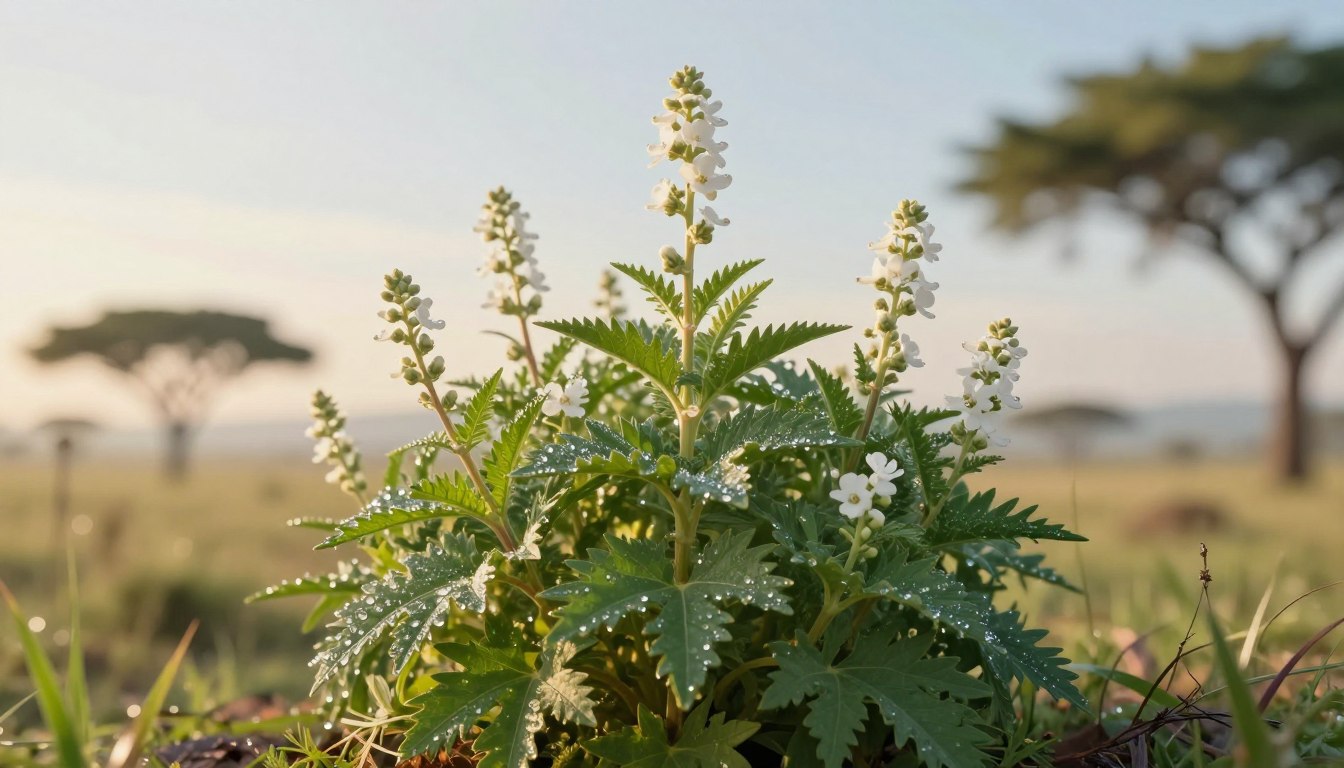
Welcome to the fascinating world of Silene capensis, a unique herb with a deep cultural history. This plant, also known as Silene undulata, is a perennial species native to the Eastern Cape of South Africa. It thrives in specific environments like open forests and grasslands.
The plant itself is a sticky, glandular herb that can grow up to 60 cm tall. It features distinctive spatula-shaped leaves and white to pinkish flowers. The name of its genus, Silene, comes from the Greek word for saliva, referencing the plant’s characteristically sticky stems.
This botanical specimen is valued for more than just its physical traits. It holds a significant place in traditional practices. Today, it garners interest from modern wellness communities exploring its potential.
Key Takeaways
- Silene capensis is the primary scientific name for this herb, with Silene undulata being a synonym.
- The plant is native to the Eastern Cape region of South Africa.
- It is a perennial species identifiable by its sticky, glandular stems and specific leaf shapes.
- The genus name “Silene” has a Greek etymology related to the plant’s sticky texture.
- It has a rich history of traditional use and is now gaining modern interest.
- The plant produces distinctive capsules containing dark, kidney-shaped seeds.
- Understanding its botany is the first step to appreciating its cultural significance.
Traditional Use and Cultural Significance
Among the Xhosa and Zulu peoples, this botanical specimen holds profound spiritual significance. These indigenous communities have preserved ancient knowledge about its applications for generations.
Historical Background and Indigenous Roots
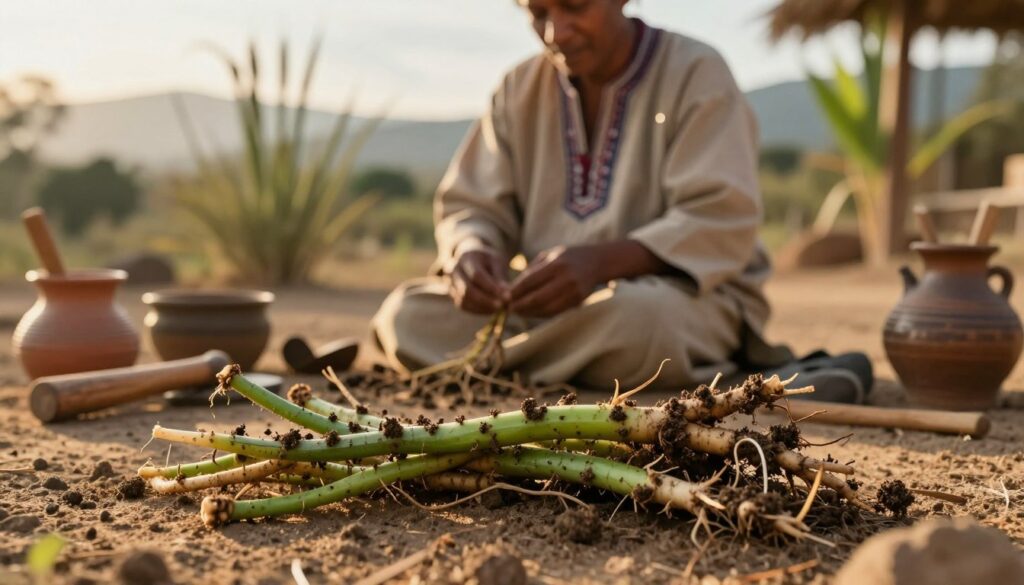
The Xhosa people call the plant “undlela zimhlophe,” meaning “the way or path of white things.” This name reflects the symbolic importance of the white foam produced during preparation. Both Xhosa and Zulu populations have used these roots medicinally for conditions like fevers.
Traditional healers consider certain plants as sacred tools for ancestral communication. Silene undulata stands as the most prominent species in this category throughout the Eastern Cape region.
Cultural Rituals and Communication with Ancestors
In Xhosa tradition, dreams serve as direct messages from ancestors. Beneficial visions provide guidance, while troubling ones may signal negative intentions. The concept of ritual purity remains essential for effective spiritual connection.
Plants classified as ubulawu facilitate this sacred communication. The term derives from words meaning “to tell of your dreams” and reflects deep cultural exchanges between indigenous populations.
Traditional Preparation Methods
The preparation process involves precise technical steps. Practitioners crush or grate the roots before adding them to cold water. They vigorously whisk the mixture using a forked wild olive stick.
This action produces a characteristic white foam called isilawu. The foam’s color symbolizes purity and cleanliness. Successful foam formation indicates ancestral approval of the ritual.
| Traditional Use | Symbolic Meaning | Preparation Method |
|---|---|---|
| Medicinal remedy | Healing and purification | Root crushing and water infusion |
| Ancestral communication | Spiritual pathway | Foam production through whisking |
| Ritual purification | White symbolizes purity | Body washing or ingestion |
This traditional knowledge represents centuries of cultural wisdom. Modern interest in these practices continues to grow while respecting their indigenous origins.
Modern Experiences and Scientific Insights
In recent years, this remarkable plant has transitioned from indigenous rituals to international markets, sparking scientific curiosity. Researchers now examine both user reports and chemical composition to understand its unique properties.
Contemporary User Experiences and Dream Phenomena
Modern users consistently describe a cumulative effect requiring several days of use. Dreams then become intensely vivid and meaningful. Some people experience lucid dreaming where they maintain awareness within the dream state.
The build-up period typically spans two to three days before noticeable changes occur. This distinguishes it from other substances with more immediate effects. User sensitivity varies considerably, with reports ranging from enhanced recall to profound insights.

Scientific Composition and Psychoactive Effects
The primary active compounds are triterpene saponins found in the root structure. These natural chemicals create foam when agitated in water, explaining the traditional preparation method. Studies suggest saponins may influence dream states through their psychoactive effects.
Additional compounds like alkaloids and diterpenoids likely contribute to the overall impact. However, comprehensive research on Silene undulata remains limited. Most evidence comes from user experiences rather than clinical validation.
Scientists note that plants within the Silene genus share similar phytochemical profiles. This includes antioxidants, fatty acids, and various vitamins. The exact mechanisms affecting sleep architecture and consciousness await further investigation.
How to Safely Use the African Dream Root
Using this traditional herb respectfully involves a specific technique that differs from many other plant-based supplements. This guide covers the essential steps for preparation and important safety considerations.
Preparation, Dosage, and Consumption Techniques
The herb is commonly sold as a dried powder. A precise starting dose of 200-500 mg is recommended. Use a small scale for accuracy.
Place the measured powder into a container with cold water. Shake or whisk it vigorously until a thick, white foam appears on the surface.

The traditional method involves consuming only the foam. Use a straw to sip the foam, then shake the mixture to create more. Repeat until satisfied.
This process is done in the morning on an empty stomach. Effects build up over several days, unlike herbs taken at bedtime.
Potential Benefits and Safety Precautions
The saponins in the plant may offer antioxidant and anti-inflammatory benefits. However, research is limited.
Safety is paramount. High doses may cause stomach upset or confusing dreams. Always start with the lowest recommended amount.
Due to a lack of safety data, children, pregnant individuals, and those with health conditions should avoid it. Consult a healthcare professional before use, especially if taking other medications.
When purchasing, choose suppliers who source from cultivated plants to support sustainable practices in South Africa.
Conclusion
As a bridge between cultural heritage and modern exploration, this herb offers fascinating insights. Silene capensis represents a unique convergence of traditional Xhosa wisdom and contemporary interest in consciousness.
The plant’s journey from the Eastern Cape of South Africa to global awareness highlights its special qualities. Traditional preparation methods using root powder create meaningful connections to ancestral practices.
Modern users report distinctive effects on dream states after several days of use. However, the lack of comprehensive studies means caution is essential.
This botanical tool deserves respect for its deep cultural significance. Responsible use honors the Xhosa people who have preserved this knowledge for generations.
Approaching Silene undulata with mindfulness ensures its traditional value remains central. The plant continues to connect people across cultures through shared curiosity about consciousness.