
Can a simple change at dinner help your brain spend more time in vivid, restorative phases?
You’ll get a clear, evidence-based map showing how diet and targeted nutrients shape your nightly architecture.
We explain mechanisms: how tryptophan converts to serotonin and melatonin, how magnesium tunes GABA signaling, and how carbohydrates change neurotransmitter timing.
Clinical trials show practical effects: tart cherry intake twice daily raised total rest time and efficiency in people with insomnia, and combined melatonin, magnesium, and zinc helped older adults sleep longer and deeper.
We also flag risks you can control: caffeine has about a five-hour half-life and can degrade sleep quality if you sip too late, while consistent meal timing eases digestion and supports circadian cues.
Key Takeaways
- Specific nutrients link directly to brain chemistry that governs REM phases.
- Tart cherry and combined supplements have human trial evidence for better sleep metrics.
- Magnesium supports relaxation via GABA and can aid melatonin function.
- Limit caffeine early in the day; its long half-life can harm sleep quality.
- Consistent meal timing and targeted evening choices help improve sleep and overall health.
How Foods Influence REM Sleep: Hormones, Neurotransmitters, and Timing
What you eat and when you eat it act as biochemical cues that shape hormone cycles and neurotransmitter supply for the night. Evening intake changes melatonin timing, amino acid availability, and inhibitory tone in ways that matter for your bed routine and overall sleep quality.
Melatonin regulation and circadian rhythm alignment
The pineal gland times melatonin secretion to light cues, and dietary melatonin can modestly supplement falling endogenous levels. Combined light control and earlier evening meals help align your circadian rhythm so melatonin rises at the right time.
Tryptophan-to-serotonin-to-melatonin pathway
Tryptophan is an essential amino acid the body converts to serotonin and then to melatonin. When you eat carbohydrates, insulin lowers competing large neutral amino acids in blood, allowing more tryptophan to cross the blood-brain barrier for conversion.
Magnesium, GABA, and muscle relaxation
Magnesium modulates GABA receptors and supports melatonin function. This encourages inhibitory signaling and muscle relaxation, foundational for better sleep quality and fewer nighttime arousals.
Carbohydrates, glycemic profile, and transport timing
Carb type and timing matter: high-fiber, low-sugar choices stabilize nighttime glucose and may support steadier neurotransmitter production. Eating earlier gives digestion time before bed, reducing reflux and thermogenic disruption.
Note: Individual responses vary; weigh single-study findings within broader research and tailor timing to your medications, exercise, and lifestyle.
REM Sleep Foods
Choosing the right mix of proteins, minerals, and carbs helps tune the brain’s nighttime chemistry.
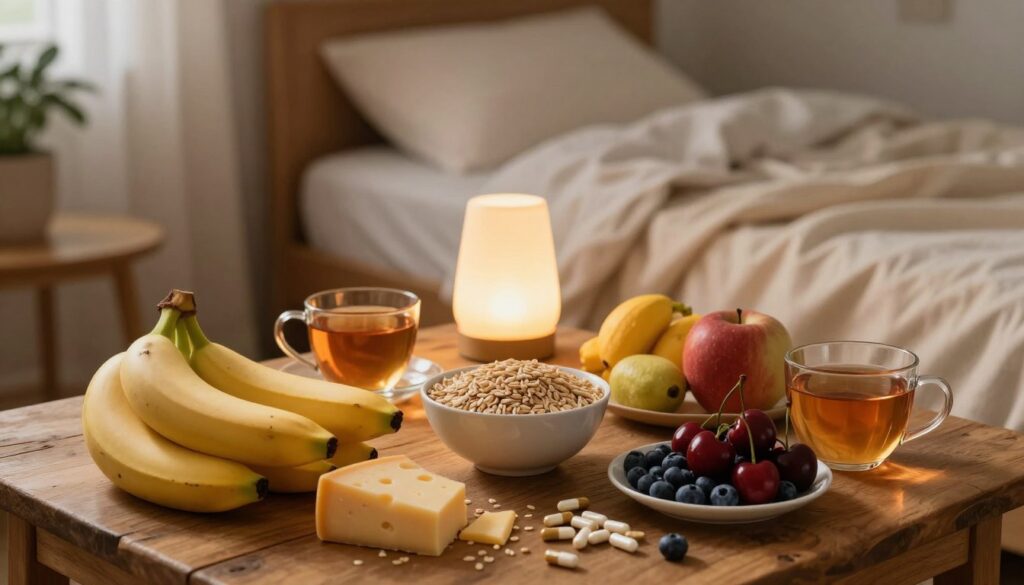
At-a-glance categories: melatonin donors (tart cherries, eggs, milk), tryptophan carriers (poultry, cheese, soy, pumpkin seeds), magnesium providers (spinach, bananas), and complex carbohydrates (oats, whole grains).
For dinner, favor a balanced plate: lean protein plus a complex carb to improve tryptophan transport to the brain. That pairing can help sleep by boosting neurotransmitter precursors without overloading digestion.
For a small night snack, choose magnesium-rich options or a handful of nuts. These provide micronutrients, healthy fats, and fiber that support overall health and better sleep quality.
“Pair protein with complex carbs and keep portions moderate; your body gets nutrients without late-night digestion stress.”
- Melatonin donors: useful as evening additions or drinks.
- Tryptophan sources: work best when combined with carbs.
- Magnesium-rich: pick these for light bedtime snacks.
- Complex carbs & fiber: steady glucose and support restorative night sleep.
Melatonin-Rich Picks: Tart Cherry Juice, Nuts, Eggs, and Milk
Certain melatonin-containing options can nudge your hormonal clock and help the night begin on the right note.
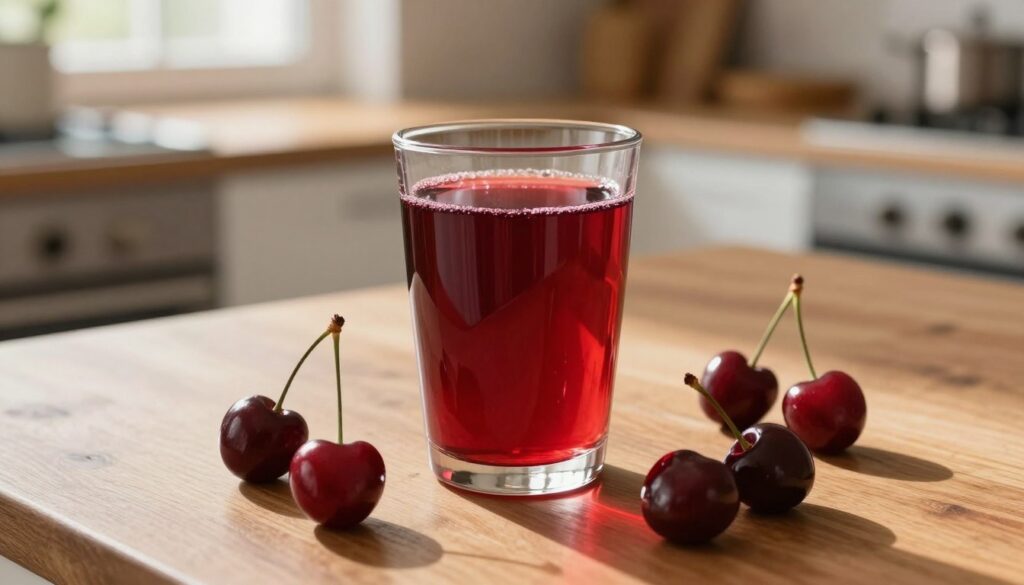
Tart cherry and tart cherry juice concentrate dietary melatonin and antioxidants. In one study, people with insomnia who drank two 8-ounce servings daily logged longer total sleep time and higher sleep efficiency. For practical use, try one cup mid-afternoon and one early evening to raise nighttime levels without flooding your bladder right before bed.
Nut matrix and combined minerals
Almonds, pistachios, and walnuts deliver melatonin plus magnesium, zinc, and omega-3s. A clinical trial combining melatonin, magnesium, and zinc improved sleep depth and duration in older adults, showing the benefit of multi-nutrient synergy.
Eggs, milk, and night-timed hormone levels
Eggs contain measurable melatonin (~1.54 ng/g) and fit well at dinner when portioned sensibly. Milk also has melatonin; “night milk” sampled at darkness can show far higher levels. Night milk may not be widely available in the U.S., but regular evening milk still contributes hormones and tryptophan.
Oats: melatonin plus complex carbs
Oats bring small melatonin amounts, tryptophan, magnesium, and slow carbs. These components help move precursors into the brain and steady glucose overnight.
“Two daily cups of tart cherry juice improved total time and efficiency in one study of people with insomnia.”
| Item | Key sleep-related nutrients | Suggested timing | Practical dose |
|---|---|---|---|
| Tart cherry juice | Melatonin, antioxidants | Afternoon + early evening | 2 × 8 oz/day |
| Nuts (almond, pistachio, walnut) | Melatonin, Mg, Zn, omega-3 | Light evening snack | Handful (20–30 g) |
| Eggs & milk | Melatonin, tryptophan | Dinner or evening beverage | 1–2 eggs; 6–8 oz milk |
| Oats | Melatonin, tryptophan, complex carbs | 2–3 hours before bed | ½–1 cup cooked |
Tryptophan Plus Carbs for Better Sleep: Poultry, Cheese, Soy, and Smart Pairings
Pairing the right protein with a modest carb at dinner can nudge brain chemistry toward longer, less interrupted nights. The key is the amino acid transport competition model: tryptophan must compete with other large neutral amino acids to cross into the brain.
Carbs lower competing amino acids in blood, so a small portion of whole-grain crackers, fruit, or oats given about 2–3 hours before bed helps more tryptophan enter the brain for serotonin and melatonin synthesis.
Poultry and dairy protein picks
Turkey and chicken are dense tryptophan sources; a roasted chicken leg can supply high levels that the body absorbs efficiently.
Cottage cheese, ricotta, and mozzarella also rank high for tryptophan and add calcium, which supports the enzymes that convert that amino acid toward melatonin. These moderate portions at dinner may reduce night awakenings and improve continuity.
Soy options and added benefits
Firm tofu and edamame deliver strong tryptophan amounts plus isoflavones. Some studies link isoflavones and L-ornithine in soy to improved sleep duration and lower stress, which can help your brain stay in deeper phases through the night.
Practical pairing and ratios
A sensible rule: aim for a dinner plate with a palm-sized serving of protein and a fist-sized portion of whole-grain carbs or fruit. This balance supplies tryptophan without causing large glucose swings.
- Timing: eat 2–3 hours before bed for best transport timing.
- Portions: palm-sized protein + fist-sized carbs minimizes digestion disruption.
- Examples: cottage cheese with whole-grain crackers; turkey and roasted veggies with a small grain side; tofu with fruit.
“Pair a modest carb with tryptophan-rich protein to favor brain access and support steady neurotransmitter levels overnight.”
| Item | Tryptophan supply | Suggested bedtime use |
|---|---|---|
| Roasted chicken | High (example: leg ~697 mg) | Dinner portion, 2–3 hrs before bed |
| Cottage cheese / mozzarella | Moderate-high (≈56–59% RDI) | Light evening snack or part of dinner |
| Firm tofu / edamame | High (firm tofu ~593 mg) | Evening meal; stress-reducing benefit |
Magnesium and Calming Minerals: Spinach, Bananas, Pumpkin Seeds
Mineral-rich plates—think spinach and pumpkin seeds—give your body cofactors that favor evening calm.
Leafy greens and legumes
Spinach is a compact source of magnesium. One cooked cup supplies about 37% of the daily value. It adds tryptophan, pigments, and antioxidants without heavy digestion.
Bananas and pumpkin seeds
Bananas give modest magnesium (≈10% DV per cup of slices) plus carbs that help tryptophan move into the brain. Pair a banana with yogurt or cottage cheese for better transport.
Pumpkin seeds pack ~37% DV magnesium per ounce and add tryptophan, healthy fats, and phytochemicals. A one-ounce handful is an evening-friendly portion.
Mechanism spotlight
Magnesium binds GABA receptors and supports melatonin regulation. This enhances inhibitory signaling so you can fall into deeper, steadier rest.
“Combine leafy greens, a small carb, and a magnesium-rich snack to support calm and improve sleep quality.”
| Item | Magnesium per serving | Evening use |
|---|---|---|
| Cooked spinach | ≈37% DV / 1 cup | Side at dinner |
| Banana (sliced) | ≈10% DV / 1 cup | Paired with yogurt 1–2 hrs before bed |
| Pumpkin seeds | ≈37% DV / 1 oz | Handful as a light snack |
Fatty Fish for REM-Friendly Nights: Vitamin D, Omega-3s, and Serotonin
Fatty fish provide a compact mix of vitamin D and omega-3s that can help tune neurotransmitters tied to nightly rest.

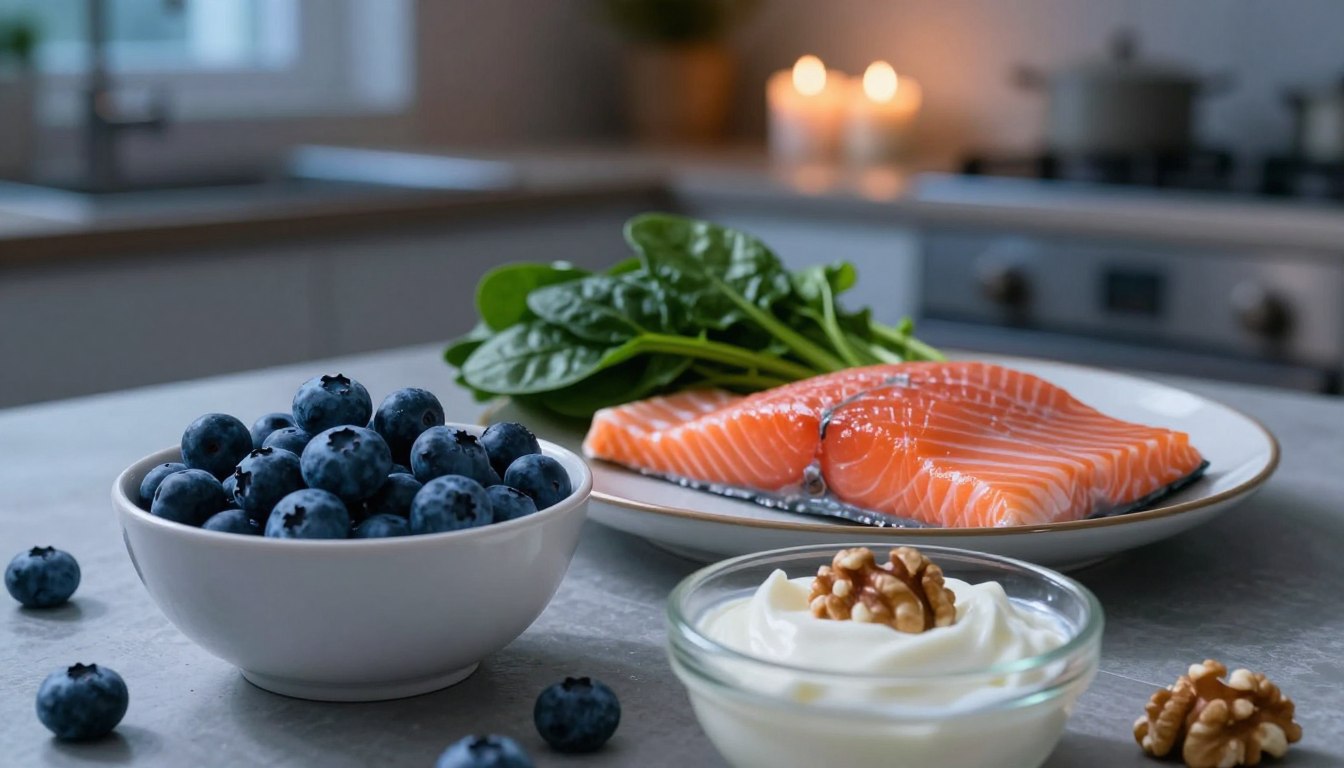
What the research shows: one study found people who ate salmon three times per week over several months reported associated better sleep and improved daytime function. That pattern points to real-world benefits when you add oily fish to your weekly diet.
How vitamin D and omega-3s meet serotonin pathways
Vitamin D supports enzymes that influence serotonin production. EPA and DHA help neuron membranes work smoothly so serotonin release and signaling are more efficient.
Why winter timing matters
In darker months, many people have lower vitamin D levels. That can blunt serotonin-related effects unless you boost intake through diet or supplements.
Practical servings, alternatives, and meal tips
- Target: about 3 servings of fatty fish per week (salmon, trout, mackerel, or sardines).
- Serving size: 3–4 oz cooked per serving keeps dinners light and easy to digest.
- Pairing: serve with high-fiber sides—greens, lentils, or whole grains—to stabilize glucose and support nighttime neurotransmitter balance.
“Aim for modest portions and simple prep on weeknights so your body gets nutrients without heavy digestion close to bedtime.”
| Item | Key nutrients | Suggested weekly use |
|---|---|---|
| Salmon | Vitamin D, EPA/DHA | 3 × 3–4 oz servings/week |
| Mackerel / Sardines | EPA/DHA, vitamin D | 2–3 small servings/week |
| Trout | Omega-3s, vitamin D | 2–3 servings/week |
Teas and Botanicals That May Help You Fall Asleep
Herbal options can be a gentle, meal-friendly way to ease evening tension and prepare your brain for night rest.
Chamomile and apigenin: calming the central nervous system
Chamomile contains apigenin, a flavone that binds to receptors in your central nervous system and lowers anxious arousal.
Clinical research suggests chamomile improves overall sleep quality and reduces generalized anxiety in some adults. Try a cup 60–90 minutes before bedtime to let its effects build.
Passionflower and GABAergic effects
Passionflower has been studied for anxiety reduction and may boost GABA activity in the brain.
This GABAergic influence can quiet a racing mind, making it easier for you to fall asleep and stay settled through the night.
Fresh herbs at dinner: sage and basil for tension relief
Cooking with sage or basil adds gentle phytochemicals that reduce evening tension without heavy digestion or stimulation.
Avoid hot stimulants like black or red pepper close to bedtime; they can raise arousal and undo the calming effects of herbs.
“A simple herbal ritual—tea 60–90 minutes before bed, or a sage-scented dinner—can support your wind-down routine.”
Practical routine: brew herbs with water just off boiling and steep 5–10 minutes. Sip slowly and pair with a light snack or warm milk if you like.
Limit fluids 30 minutes before bed to reduce nighttime awakenings. These small habits can improve sleep quality without complex changes to your evening system.
Smart Carbs, Fruit, and Timing: White Rice, Kiwi, and Oatmeal
Timing and type of carbohydrate at dinner affect neurotransmitter access and nighttime comfort.
Kiwi has been linked in one study to faster sleep onset, more total rest, and better sleep quality when two fruits were eaten about an hour before bed. Its serotonin and antioxidant profile may help your brain wind down without heavy sugar.
White rice versus oatmeal
White rice can have a high glycemic index that, in some contexts, helps tryptophan reach the brain sooner. A Japanese study found rice eaters reported better rest than those who favored bread or noodles.
Oatmeal offers slow carbs, fiber, magnesium, and tryptophan. That mix steadies blood sugar and supports GABA and serotonin pathways without sharp spikes.
Best bedtime window
Eating 2–3 hours before bedtime is usually best. That allows digestion, lowers reflux risk, and times amino acid transport for overnight neurotransmitter synthesis.
“Pair oats or rice with a small portion of lean protein and fruit to balance glucose and aid nighttime chemistry.”
| Item | Key benefit | When to eat |
|---|---|---|
| Kiwi (2) | Serotonin, antioxidants; faster sleep onset | ~1 hour before bed or earlier |
| White rice | High-GI assist for tryptophan transport | 2–3 hours before bed; moderate portion |
| Oatmeal | Fiber, magnesium, tryptophan; steady glucose | 2–3 hours before bed; pair with protein |
Tip: If you like fruit-based options earlier, tart cherry juice in the early evening can complement complex carbs and support melatonin availability in the body.
Foods and Drinks to Limit Before Bed
Some common drinks and late bites trigger physiological responses that cut short restorative phases and increase awakenings.
Caffeine has an average half-life near five hours and can keep your alerting system active into the night. To protect rest, stop caffeine at least six hours before bed. If you’re sensitive, aim for an eight-hour cutoff.
Alcohol may help you fall asleep, but it suppresses REM and fragments the second half of the night. Heavy meals high in saturated fat or sugar are tied to lighter stages and more arousals in one study.
Spicy or acidic items raise body temperature and trigger reflux when you lie down. That increases awakenings and lowers overall sleep quality. High-sugar snacks can shorten total rest time and worsen continuity.
“Avoid late caffeine and heavy, spicy, or acidic meals to protect your nightly architecture.”
- Set a last-cup clock: no caffeine within 6–8 hours of bed.
- Skip large, fatty dinners and sugary desserts close to bedtime.
- Avoid citrus, tomatoes, and hot spices within two hours of lying down.
- Choose lighter, magnesium-rich snacks or herbal tea as alternatives.
Practical tip: small changes to timing and food choices help your system settle, so you wake feeling rested and ready for the day.
Conclusion
A few targeted nutrients and smarter timing give you practical tools to improve how your brain and body recover at night.
Evidence shows specific items—tart cherry intake, fatty fish, and kiwi—are associated better sleep outcomes, and magnesium plus tryptophan support GABAergic and melatonin pathways. These effects have been seen in controlled studies and observational work, so the benefits are evidence-weighted, not guaranteed.
Practical steps: pair modest tryptophan-rich protein with a smart carb 2–3 hours before bed, favor mineral-dense greens and seeds, limit caffeine six hours before bed, and avoid alcohol near bedtime. A small cup of warm milk or a calming herbal tea can help your wind-down routine.
Try these within your normal diet and track how each change affects sleep quality and next-day energy. Small, consistent moves often produce the biggest, sustainable benefits for your health and a reliably good night sleep.