

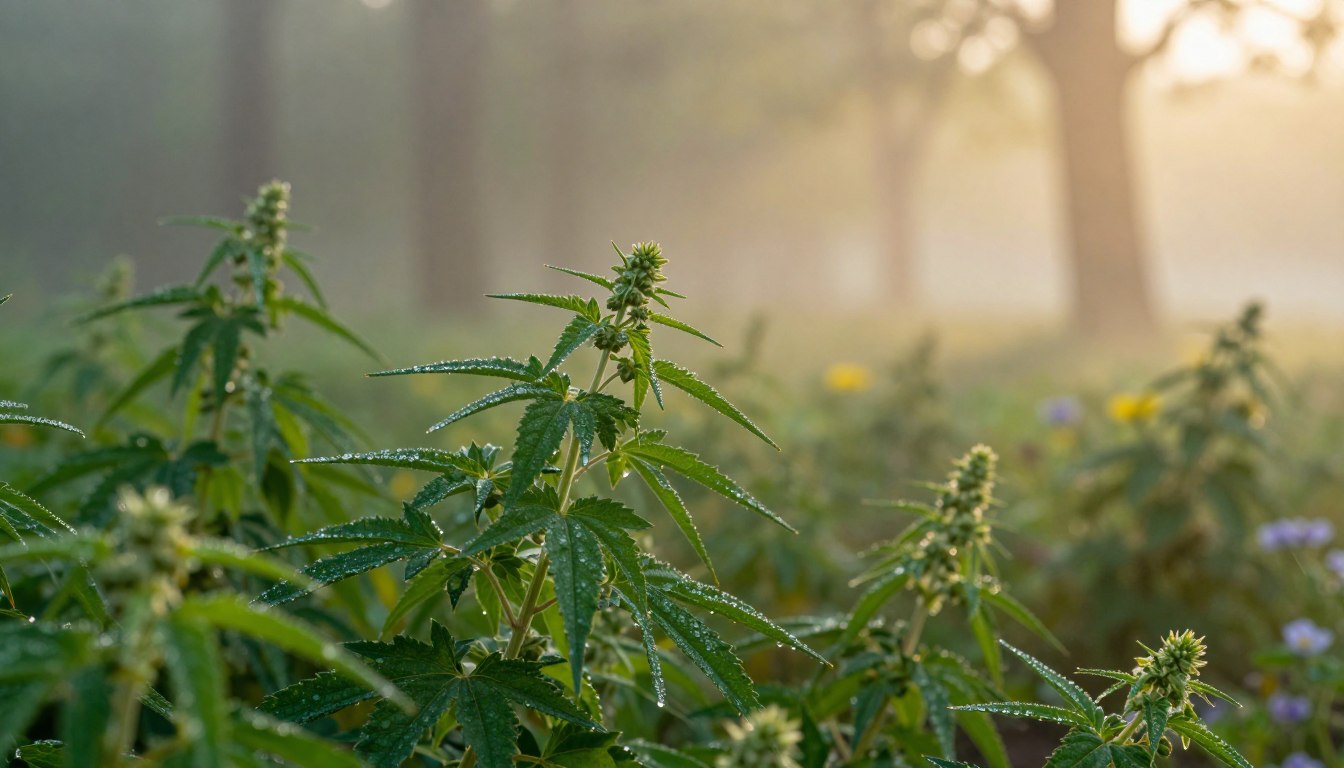
Throughout history, cultures worldwide have turned to the natural world for guidance. One particular botanical ally, Artemisia vulgaris, stands out for its unique relationship with the subconscious. This resilient plant has a long-standing reputation for influencing nocturnal experiences.
Known scientifically as an oneirogen, this herb can produce or enhance dream-like states of consciousness. Its use spans various healing traditions, where it is celebrated for deepening the connection to one’s inner world. Practitioners seek it for its potential to make dreamscapes more intense and memorable.
This guide will explore the fascinating properties of this ancient botanical. It covers everything from its historical roots to practical preparation methods. Readers will learn how to incorporate this natural tool into their nightly routine.
The goal is to make ancient wisdom accessible for modern dream exploration. Whether seeking lucid experiences or a stronger link to the subconscious, this comprehensive resource offers a friendly starting point.
Key Takeaways
- Artemisia vulgaris is an ancient botanical with a history of use in dream enhancement.
- It is classified as an oneirogen, a substance known to influence dream states.
- The plant is recognized for potentially increasing dream vividness and improving recall.
- Its application spans multiple cultural and traditional healing practices.
- This guide provides a practical approach to using this herb safely and effectively.
- It aims to bridge historical knowledge with contemporary dreamwork techniques.
Introduction: Unveiling the Dream Enhancing Power of Mugwort
Certain plants hold a unique key to unlocking the vivid landscapes of our subconscious minds. One such botanical, Artemisia vulgaris, is classified as an herbal oneirogen. This means it is a natural substance known to produce or enhance dream-like states of consciousness.
Overview of the Herb’s Mystical Reputation
A compelling story from the Elderberry School of Botanical Medicine highlights this potential. A practitioner reported extraordinarily vivid, colorful dreams after using the plant. They experienced a hike through a national forest with intensified sensory details.
Remarkably, this nocturnal journey prophetically revealed another herb, St. John’s wort, which the dreamer had never seen before. This anecdote supports the long-held belief that this botanical can enhance clairvoyance and prophetic dreaming.
Its botanical name, Artemisia, derives from Artemis, the Greek moon goddess. This connection hints at an ancient link to lunar energy and nighttime awareness.
Traditional use across centuries attributes several properties to this herb:
- Easier dream recall
- Increased awareness during sleep
- Stimulation of lucid dreaming
- Enhanced psychic sensitivity
Setting the Stage for a How-To Guide
While scientific research is limited, its history in folklore is rich. This guide will bridge that traditional knowledge with modern practice.
It is important to note that the effects are often subtle and work on a subconscious level. The following sections provide practical instructions and technical details for safe exploration.
The Rich History and Folklore Behind Mugwort
The historical tapestry of Artemisia vulgaris is woven with threads of reverence, protection, and practical application. Its legacy stretches far back in time, revealing a plant deeply integrated into the fabric of daily life and spiritual practice.
Ancient Traditions and Medieval Use
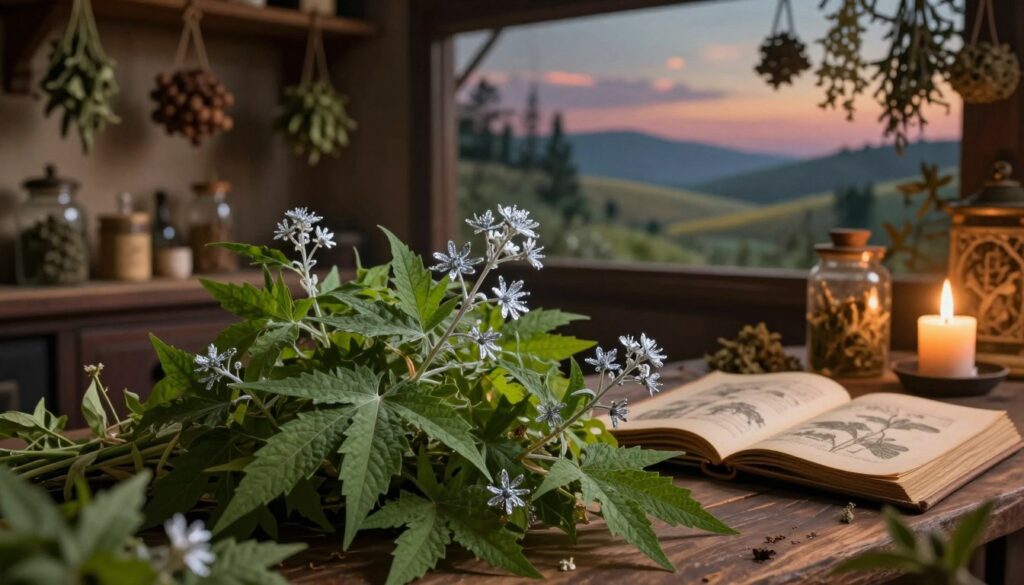
During the Middle Ages, this herb held the prestigious title mater herbarum, or “mother of herbs.” This name reflected its paramount importance in the medieval herbal pharmacopeia. People commonly crafted it into incense and smoke bundles.
These bundles were used for ritual purification and to cleanse the sick. They were believed to ward off malevolent spirits and negative energy, offering spiritual protection.
Roman soldiers reportedly placed the leaves in their shoes before long marches. This practice was thought to promote endurance and relieve fatigue. Carrying the plant was also a widespread custom for personal safety during travel.
Mythology and the Connection to Artemis
The botanical name Artemisia derives directly from the Greek goddess Artemis. She was the deity of nature, the moon, and women. This connection hints at the herb’s traditional uses related to lunar cycles and feminine energy.
Beyond spiritual uses, mugwort had a culinary role. Before hops became standard, it was used to flavor beer. The flowering plant was dried to create a strong decoction added to malt liquors.
| Era/Culture | Primary Use | Believed Purpose |
|---|---|---|
| Medieval Europe | Incense & Smudging | Spiritual purification, healing, protection |
| Ancient Rome | Soldiers’ foot remedy | Enhance endurance, reduce fatigue |
| European Folklore | Personal talisman | Protection from evil, poison, and animals |
| Pre-Hop Brewing | Beer flavoring agent | Create a bitter, preservative decoction |
This rich history shows how people throughout time recognized this herb’s unique properties. They saw it as a bridge between the physical world and more subtle realms of experience.
Delving into Mugwort’s Botanical Properties
Within the diverse Artemisia genus, certain species stand out for their unique therapeutic properties. This botanical family contains hundreds of varieties with varying characteristics.
Understanding the Artemisia Genus
The Artemisia genus encompasses many plant types used in herbal traditions. While sharing antimicrobial and digestive-stimulating qualities, they differ significantly.
Relevant species include A. vulgaris (common mugwort), A. ludoviciana (western mugwort), and A. absinthium (wormwood). Others like A. annua and A. tridentata also have herbal applications.
Some Artemisia varieties possess nootropic effects that enhance cognitive function. This characteristic supports memory and recall abilities.
Technical Insights into Active Compounds
The plant‘s chemical complexity explains its diverse effects. Sesquiterpene lactones provide bitter principles that stimulate digestive secretions.
Volatile oil content gives mugwort its aromatic, warming qualities. These oils contain thujone, which requires careful dosage consideration.
Thujone contributes to the plant‘s dispersive properties but can be neurotoxic in excess. This highlights why proper preparation matters in herbal medicine.
The silvery undersides of the leaves reflect its connection to lunar energy in traditional practice. This distinctive feature helps identify the species in nature.
How to Use Mugwort for Dreams
When incorporating this botanical ally into one’s nightly routine, proper dosing and preparation techniques are essential considerations. Individual sensitivity varies greatly, making personalized approaches crucial.
Dosage and Safety Guidelines
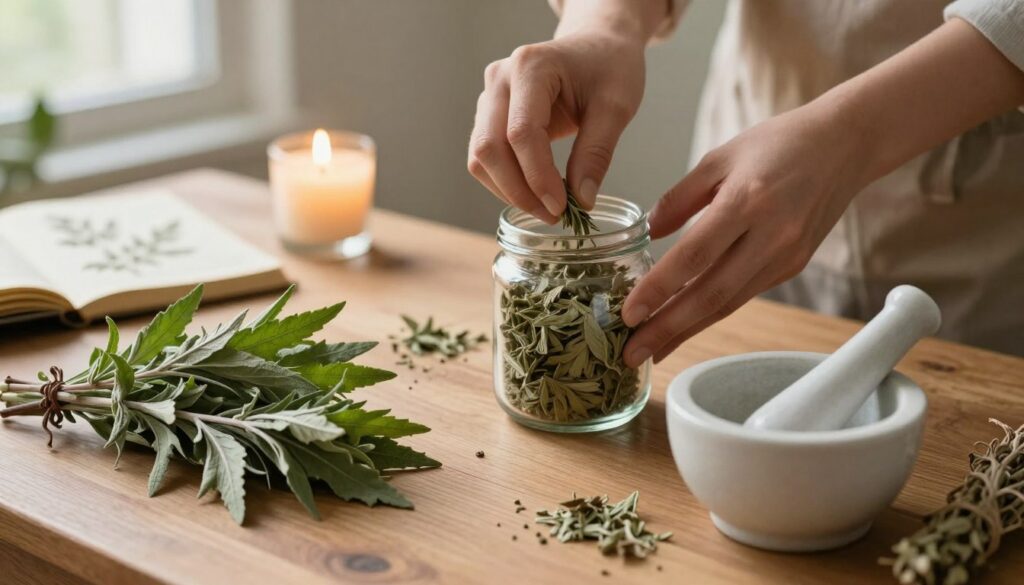
Sensitive individuals may experience effects with small amounts like one teaspoon of dried herb in eight ounces of hot water. Others might need a tablespoon for stronger results. Always begin with minimal doses when trying any new botanical.
Important safety considerations include avoiding use during pregnancy due to uterine-stimulating properties. The plant contains thujone, which requires cautious use. Some people may have allergic reactions to the pollen.
Preparing Herbal Infusions and Tinctures
Hot infusions involve steeping dried leaves in boiling water for 10-15 minutes. Cold infusions require overnight soaking for different therapeutic benefits. Tinctures offer concentrated extracts with precise dosing control.
Flower essences provide another gentle way to work with this herb. Smoking blends and topical applications serve alternative purposes. Each method suits different needs and preferences.
The subtle nature of these preparations means effects may not be immediately noticeable. Patience and gradual adjustment often yield the best results for nocturnal exploration.
Techniques to Enhance Dream Intensity and Lucidity
Many people seek to consciously explore their nocturnal experiences, and specific techniques can significantly amplify this process. These methods build upon the foundational properties of Artemisia vulgaris to create a powerful synergy for the subconscious mind.
Lucid dreaming represents a unique state of consciousness. The dreamer becomes aware they are in a dream while maintaining the ability to remain within and potentially influence the experience.
Research indicates this is a naturally accessible phenomenon. Approximately 55% of adults have experienced at least one lucid dream in their lifetime. About 23% experience these states monthly.
Practical Rituals for Lucid Dreaming
The botanical may enhance these experiences by stimulating pineal gland activity. This gland becomes highly active during deep rapid eye movement sleep, which is when our most vivid dreaming occurs.
One effective way to work with the plant is through external placement. Hanging dried bundles above the bed or keeping fresh sprigs nearby allows its properties to be accessed without internal consumption.
A crucial part of the ritual involves setting clear intentions before sleep. This practice directs the subconscious, such as requesting specific guidance or healing within the dream space.
Setting Intentions and Creating Dream Pillows
Creating a dedicated pillow is a popular and effective method. To make one, fill a small muslin bag with dried leaf and flower tops of the herb.
This sachet is then slipped inside or under your regular pillow at night. The close proximity throughout sleep maximizes the connection to the plant’s energetic qualities.
Combining this physical tool with intentional dreamwork can help uncover and transform areas of psychic unconsciousness. This integration often leads to profound personal growth and emotional healing through the nocturnal journey.
Mugwort Tea and Alternative Preparations
Creating the perfect cup of herbal tea requires attention to detail and proper technique. The preparation method significantly impacts the final product’s effectiveness and flavor profile.
Step-by-Step Guide to Brewing Mugwort Tea
For a basic infusion, use one teaspoon (approximately 1.2 grams) of dried aerial parts per cup of boiling water. The aerial parts include the leaves and flowering tops harvested at peak potency.
Steep the mixture for exactly five minutes with the lid securely covering the cup. This crucial step prevents the volatile oils from evaporating, preserving the tea’s therapeutic properties.
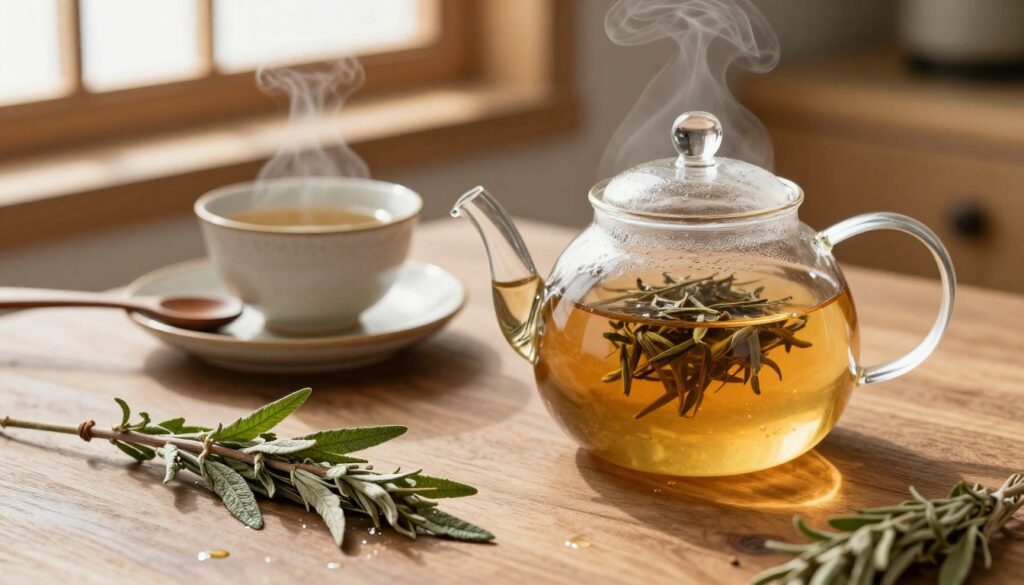
The resulting beverage has a slightly bitter taste with noticeable pungency from essential oils. Honey can sweeten the flavor if desired. Consumption should be limited to three times daily for short-term use, typically up to two weeks.
Exploring Smoking Blends and Topical Uses
Many enthusiasts create specialized blends for enhanced experiences. A popular lucid dreaming formula combines several herbs in precise proportions.
| Herb | Proportion | Weight |
|---|---|---|
| Mugwort Leaves | 2 parts | 5g |
| Blue Lotus Flower Petals | 2 parts | 5g |
| Passionflower | 1 part | 2.5g |
| Ginkgo Leaf | 1 part | 2.5g |
| Dried Orange Peel | ½ part | 1.5g |
Use one teaspoon of this blend per cup of boiling water, steeping for five minutes. The combination creates a balanced flavor with synergistic effects.
Alternative preparation methods include adding the herb to smoking blends for mental stimulation. Topical applications involve using the tea as a wash, creating vinegar tinctures for skin issues, or making compresses for injuries.
Oil extractions can be incorporated into salves for their antimicrobial and anti-inflammatory properties. These diverse applications demonstrate the plant’s versatility beyond beverage preparation.
Beyond Dreams: Additional Traditional Healing Uses of Mugwort
Beyond its mystical reputation for dream work, this botanical offers tangible health benefits that have been validated through generations of traditional use. The plant‘s therapeutic applications extend into physical wellness with remarkable versatility.
Digestive and Menstrual Health Benefits
The herb‘s aromatic bitter qualities make it a powerful digestive aid. It stimulates secretions throughout the gastrointestinal tract, addressing complaints like poor appetite and chronic gastritis.
In Chinese medicine, practitioners value this plant for menstrual health. It helps reduce heavy bleeding while increasing pelvic blood circulation. This improved circulation relieves menstrual cramps effectively.
The specialized technique of moxibustion demonstrates remarkable effects. Trained practitioners burn dried mugwort near acupuncture points to promote chi flow. This method has even helped turn breached babies before childbirth.
Antimicrobial and Anti-inflammatory Applications
This versatile herb possesses strong antimicrobial properties. It addresses internal issues like pinworms and topical fungal infections including athlete’s foot.
The healing benefits extend to general first aid applications. Tea or vinegar tinctures serve as effective liniments for sprains and bruises. The anti-inflammatory effects provide relief for various discomforts.
Traditional medicine systems have long recognized these comprehensive healing qualities. The plant‘s ability to support blood circulation and address multiple health concerns showcases its importance in herbal life.
Integrating Mugwort into Your Herbal and Dreamwork Routine
Establishing a consistent evening practice with botanical allies can transform ordinary sleep into a journey of self-discovery. This integration requires thoughtful planning that honors individual needs and preferences.
Developing a Personalized Ritual
Creating a sacred bedtime routine begins with intention setting. Many practitioners find success by consuming a warm tea about an hour before resting. Flower essences offer another gentle approach when taken sublingually.
Smudging the bedroom with Artemisia vulgaris incense clears stagnant energy. This prepares the space for meaningful nocturnal exploration. The practice dates back to ancient traditions of spiritual purification.
Advanced techniques include creating a medicinal poultice for the forehead area. This application aims to activate the third eye center. It may enhance psychic vision during the sleep cycle.
Combining Mugwort with Other Dream Herbs
Synergistic combinations can amplify the desired effects. Each plant contributes unique properties that complement the primary herb’s qualities.
| Supporting Herb | Primary Benefit | Recommended Ratio |
|---|---|---|
| Blue Lotus Flower | Promotes relaxation and euphoria | 2 parts mugwort : 2 parts lotus |
| Passionflower | Calms nervous system, mild sedative | 2 parts mugwort : 1 part passionflower |
| Ginkgo Leaf | Increases brain circulation for recall | 2 parts mugwort : 1 part ginkgo |
“The ancient practice of oneiromancy reveals how dreams serve as mirrors to our deepest aspirations and fears. When combined with intentional plant work, they become powerful tools for personal transformation.”
This holistic approach supports optimum health throughout a person’s life journey. The herbalist guides this process with respect for nature’s wisdom.
Conclusion
Exploring the multifaceted nature of this ancient herb uncovers a remarkable bridge between conscious awareness and subconscious realms. Artemisia vulgaris offers extraordinary properties for enhancing nocturnal experiences while providing tangible healing benefits.
This versatile plant supports dream intensity, recall, and lucid dreaming through various preparation ways. People can choose from teas, tinctures, or dream pillows based on personal preference.
Beyond its dream-enhancing ability, the herb aids digestive health, menstrual comfort, and blood circulation. Its antimicrobial effects make it valuable in traditional medicine.
Always respect this powerful botanical’s potency by following proper dosage guidelines. Approach with both reverence and practical knowledge for safe exploration.
The journey with Artemisia vulgaris invites deeper connection to nature’s wisdom during the night. This ancient ally continues to offer guidance for those seeking personal growth through dreamwork.