

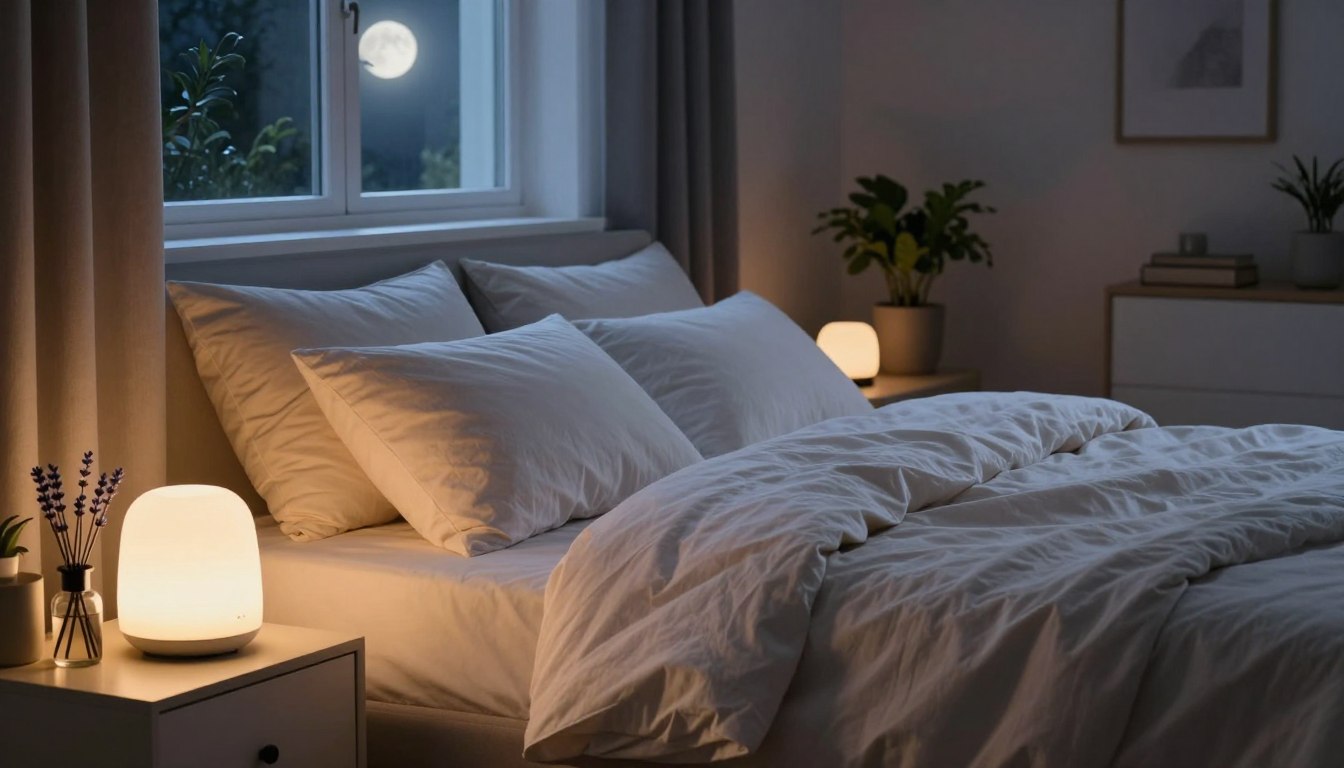
Many people wonder why some nights are filled with rich, memorable dreams while others are a complete blank. The answer often lies not in the mind, but in the physical space where they rest. The setup of a person’s sleeping area has a powerful effect on both sleep quality and dream recall.
Scientific research shows a direct link between a person’s surroundings and their brain’s ability to enter REM sleep. This is the stage where the most intense and vivid dreaming happens. Factors like temperature, light, and even air quality play a measurable role.
This guide explores how to optimize a sleep space for better rest and more memorable dreams. It is not about expensive changes. It is about understanding key factors and making simple, targeted improvements that anyone can try.
Key Takeaways
- The physical conditions of your sleep space directly influence dream vividness and memory.
- Reaching deeper REM sleep is crucial for experiencing more intense dreams.
- Small, intentional adjustments can create a significant improvement in sleep quality.
- Temperature and light control are two of the most impactful factors for better sleep.
- Optimizing your rest area supports overall health and cognitive function.
- Practical changes can work for any budget or living situation.
Understanding How Your Bedroom Affects Sleep and Dream Recall
A person’s sleeping area functions as a biological regulator, influencing both daytime mood and nighttime rest quality. The connection between these spaces and personal wellness goes deeper than simple comfort.
Impact on Mood and Wellness
This space where a person begins and ends each day has a profound effect on their emotional state. Research shows that proper design can reduce stress and improve mental health.
There’s a powerful feedback loop at work. As one sleep researcher notes:
“Light exposure during waking hours directly prepares the brain for restorative sleep at night, creating a cycle of improved wellness.”
The Role of Circadian Rhythm
Every person has an internal 24-hour clock known as their circadian rhythm. This system regulates alertness and drowsiness based on light cues.
During daylight hours, exposure to natural light triggers serotonin production. This neurotransmitter boosts focus and creates feelings of wellness. As evening approaches, this serotonin converts into melatonin, the hormone that prepares the body for rest.
Optimizing a space for this natural rhythm creates significant improvements in sleep quality. The table below shows key factors that support versus disrupt this process:
| Supports Circadian Rhythm | Disrupts Circadian Rhythm | Impact Level |
|---|---|---|
| Morning sunlight exposure | Blue light at night | High |
| Complete darkness for sleep | Street light leakage | High |
| Consistent sleep schedule | Irregular bedtimes | Medium |
| Cool nighttime temperature | Overheated space | Medium |
When this internal clock functions properly, people experience deeper sleep cycles. They wake feeling more refreshed and report better mental clarity throughout the day.
Mastering Temperature for Optimal Sleep Quality
Temperature regulation is one of the most overlooked yet essential elements for achieving deep, restorative sleep. The body’s core temperature naturally drops as it prepares for rest, and maintaining the right conditions supports this vital process.

Finding Your Ideal Sleeping Temperature
Research indicates that 65°F (18°C) serves as an ideal baseline for most people. This cooler setting helps the body maintain the lower core temperature needed for quality sleep stages.
Individual preferences vary based on metabolism and personal comfort. Experimentation within the 59°F to 66°F range helps identify what works best for each person’s unique needs.
| Temperature Factor | Positive Impact | Negative Impact |
|---|---|---|
| Cool room (59-66°F) | Deeper sleep cycles | None when properly managed |
| Breathable bedding | Heat regulation | Trapped moisture if synthetic |
| Layered blankets | Customizable warmth | Overheating if too heavy |
| Consistent thermostat | Stable conditions | Frequent adjustments disrupt sleep |
Bedding Solutions for Hot and Cold Sensitivities
People who sleep warm benefit from natural fabrics like cotton and bamboo. These materials allow heat to escape rather than trapping it against the skin.
Those who feel cold at night can use layered blankets and higher TOG-rated duvets. This approach provides warmth without overheating the entire space.
Targeted solutions like cooling mattress toppers or heated blankets offer personalized comfort while maintaining optimal room conditions for quality rest.
Creating a Dark and Quiet Sanctuary
Light and sound represent the primary environmental challenges that can interfere with quality restorative periods. Even small amounts of illumination or noise can disrupt the body’s natural sleep processes.
Importance of Blackout Curtains and Sleep Masks
Light exposure at night suppresses melatonin production. This hormone signals the brain to prepare for rest. Street lamps, car headlights, and electronic devices can all interfere with this process.
Blackout curtains provide complete darkness by blocking external light sources. They create ideal conditions for the brain to enter deep sleep stages. For additional protection, sleep masks cover the eyes directly.
Quality eye masks should fit comfortably without pressure. Adjustable straps and breathable fabrics prevent discomfort during the night.
Strategies for Minimizing Ambient Noise
Unwanted sounds above 30 decibels can cause micro-awakenings. These brief interruptions fragment sleep cycles without full consciousness.
Traffic outside the window or household noises present common challenges. Earplugs block sound directly at the ear. White noise machines mask disruptive sounds with consistent, soothing frequencies.
Sleep headphones offer another effective solution. They allow users to listen to calming sounds while resting comfortably in bed.
Creating this sanctuary sends powerful signals to the brain. The space becomes dedicated to uninterrupted rest and recovery.
Innovative Solutions for a Bedroom Environment Dreams
Today’s approach to rest areas blends smart technology with thoughtful design principles for enhanced wellness. These creative solutions move beyond basic comfort to actively support better sleep cycles and mental restoration.

Smart home integration represents a significant advancement in sleep space optimization. Systems can program lights to dim gradually as bedtime approaches. Thermostats automatically lower temperatures for optimal rest conditions.
Circadian lighting systems adjust color and intensity throughout the day. They provide energizing light in the morning and shift to warmer tones in the evening. This supports natural melatonin production without disruption.
Space optimization helps even compact areas become tranquil retreats. Vertical storage and multi-functional furniture reduce visual clutter. This creates a calm aesthetic that promotes relaxation.
Biophilic design brings natural elements indoors through plants and organic materials. These connections to nature reduce stress levels significantly. They create psychological comfort that supports deeper sleep stages.
Minimalist design eliminates distractions and decision fatigue. This approach creates mentally calm zones where the brain can transition smoothly to rest. It’s more than a style—it’s a functional strategy for better recovery.
The most effective solutions combine multiple approaches tailored to personal needs. Customized spaces address specific sleep challenges directly. This personalized strategy supports individual wellness goals effectively.
Incorporating Lighting and Natural Elements for Better Rest
Daily light exposure patterns directly influence the brain’s ability to achieve quality rest. The right lighting strategy supports natural circadian rhythms throughout the entire day.
Maximizing Natural Light and Dimming at Night
Natural light during daytime hours serves as the most powerful regulator of circadian rhythm. Positioning sleeping areas near clean windows allows maximum light transmission.
As evening approaches, the lighting strategy must shift dramatically. Dimming overhead lights after sunset prepares the body for rest. Warm-toned lamps minimize blue light exposure that disrupts melatonin production.
Incorporating living plants provides multiple benefits for sleep quality. They naturally purify air by filtering toxins and increasing oxygen levels. Research shows improved air quality can add 12 minutes of extra sleep nightly.
The best air-purifying plants include peace lilies, spider plants, and snake plants. These species remove common indoor pollutants while requiring minimal care.
Beyond air purification, plants create biophilic connections that reduce stress. This psychological benefit contributes to falling asleep more easily. The combination of proper light management and natural elements supports every phase of circadian rhythm.
Enhancing Your Space with Color, Texture, and Furniture
Color choices and material textures create an invisible framework that guides the brain toward relaxation and quality sleep. The visual elements surrounding a person during rest hours send powerful signals to the nervous system.
The Psychology of Color for Sleep and Dream Recall
Research shows that certain hues on walls create specific physiological responses. Blues and greens activate the parasympathetic nervous system, promoting calmness.
Forest green combines blue’s calming properties with nature’s renewal associations. This creates a tranquil mood that helps transition from daily stresses to relaxed states.
Blue walls can lower heart rate and reduce anxiety levels. These changes make falling asleep easier and support uninterrupted sleep cycles.
For neutral design, white or off-white walls create a peaceful blank canvas. They reflect light beautifully while avoiding overstimulation at night.
Texture adds dimension without visual chaos. Varied materials like velvet pillows and natural wood furniture create sensory interest. This approach maintains sophistication rather than clutter.
The floor contributes significantly to the overall sense of calm. Soft carpeting provides warmth, while hardwood creates clean lines. Area rugs add both visual texture and physical comfort.
Strategic furniture selection enhances the space’s function. Clean lines and calming materials contribute to a peaceful mood. Proper placement ensures adequate movement space without creating tension.
Harnessing the Power of Sound Machines and White Noise
Strategic sound management represents one of the most accessible tools for improving sleep quality. The right audio environment can transform a restless night into deep, restorative rest.
Benefits of Sound Therapy for Deep Sleep
Sound therapy works by creating consistent audio patterns that mask disruptive noises. This prevents the brain from reacting to sudden sounds that interrupt sleep cycles.
White noise contains all frequencies at equal intensity. It creates a sonic blanket that covers other sounds. This consistency helps the auditory system relax instead of staying alert.
Different sound types serve unique purposes for relaxation. The table below shows how various frequencies affect sleep quality:
| Sound Type | Frequency Characteristics | Primary Benefit | Best For |
|---|---|---|---|
| White Noise | All frequencies equal | Complete sound masking | Urban environments |
| Pink Noise | Deeper tones emphasized | Natural soothing effect | Light sleepers |
| Brown Noise | Lowest frequencies dominant | Deep calming sensation | Anxious individuals |
Binaural beats use slightly different frequencies in each ear. This encourages the brain to produce slower waves associated with deep sleep. Natural sounds like rainfall or ocean waves provide rhythmic patterns that help breathing slow down.
Sound machines maintain consistent audio throughout the night. This prevents micro-awakenings that reduce REM sleep time. For many people, this approach offers an affordable way to achieve better sleep.
Exploring Aromatherapy Techniques for Vivid Dreams
Aromatherapy utilizes the olfactory system’s unique connection to brain functions that regulate sleep patterns. This approach works through scent molecules that travel directly to emotional centers in the brain.
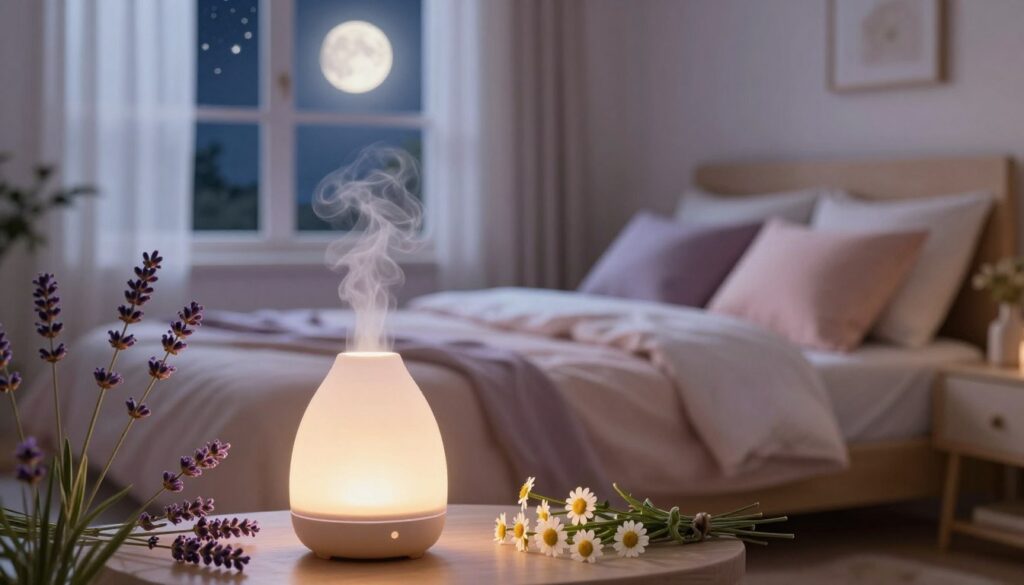
The sense of smell provides a direct pathway to areas controlling mood and rest cycles. When specific scents reach these regions, they trigger relaxation responses that support better sleep quality.
Essential Oils and Diffusers for a Relaxing Atmosphere
Different essential oils create distinct effects on the body and mind. Lavender reduces anxiety, chamomile offers gentle sedation, and ylang-ylang lowers heart rate. Each supports the transition to rest in its own way.
Reed diffusers provide continuous fragrance release throughout the night. They work without electricity or flames, making them safe for overnight use. This maintains subtle aromatherapy benefits during sleep time.
Ultrasonic diffusers offer adjustable scent intensity using water and vibrations. They can run for several hours, supporting the early part of the sleep cycle. This helps establish consistent night patterns.
Creating a scent routine trains the brain to associate specific fragrances with sleep. Over time, this conditioning makes falling asleep easier. The same scents used each night trigger automatic relaxation responses.
Beyond diffusers, linen sprays and scented bedding create multi-sensory conditions. These approaches enhance overall relaxation while supporting restful health.
Selecting the Right Bedding, Mattress, and Sleepwear
The items that directly contact the body during rest—bedding, a mattress, and sleepwear—form the most personal layer of the sleep experience. Their quality and fit are crucial for comfort and spinal support throughout the night.
Sheet selection plays a huge role in temperature control. Natural fabrics like cotton, bamboo, and linen allow heat to escape. Synthetic polyester, however, can trap heat and cause discomfort. Visiting a store to touch different sheets helps find the right texture.
Choosing a mattress depends on sleeping position. Most people find a medium-firm option offers the best support. Side sleepers may prefer a softer surface for pressure relief, while back and stomach sleepers often need a firmer set.
Pillows are just as important. They must keep the head, neck, and spine aligned. Side sleepers need thicker, firmer pillows. Stomach sleepers require thin, soft ones. Back sleepers benefit from a medium-thickness pillow.
Think of the bed as a layered system. A supportive mattress is the base. Quality sheets create the surface against the skin. The right pillows and blankets complete the set. Each layer contributes to better sleep quality.
Troubleshooting Common Sleep Disruptors in Your Bedroom Setup
Pinpointing the exact cause of sleep disruption requires a careful audit of the room’s conditions. Many factors can interfere with quality rest without being immediately obvious. A systematic approach helps identify and resolve these hidden issues.
Identifying Environmental Factors That Interrupt Sleep
Begin by examining temperature, light, and noise levels. People often wake sweaty or cold without recognizing the room’s climate as the culprit. Even small light leaks from electronics can suppress melatonin.
Clutter creates subconscious stress that affects relaxation. Surfaces filled with items keep the brain slightly alert. Air quality matters too—stuffy rooms lack fresh oxygen for optimal recovery.
Simple Upgrades for Immediate Improvements
Targeted solutions address specific problems effectively. A fan or space heater adjusts temperature without changing the entire house setting. Blackout curtains or tape over LED lights solve exposure issues.
Daily ten-minute tidy-ups clear visual stress. Opening a window refreshes air circulation. For pet owners, a trial period with animals sleeping elsewhere can reveal significant improvements in sleep quality.
Changing one variable at a time helps identify what works best. This methodical approach leads to lasting better sleep through personalized adjustments.
Conclusion
Transforming a sleep space into a personal retreat for better rest is a journey, not a final destination. The most effective approach involves making small, intentional changes over time and observing the results.
Individuals should start with the adjustments that address their most pressing needs. Keeping a simple journal to track sleep patterns and dream recall can provide valuable insights into what works best for their unique style.
These improvements contribute to long-term health and well-being. The effort put into creating a supportive space pays dividends every single day, influencing mood and energy levels from the very first morning.
By applying the principles in this guide, anyone can build a foundation for more restorative nights and brighter days for years to come.