

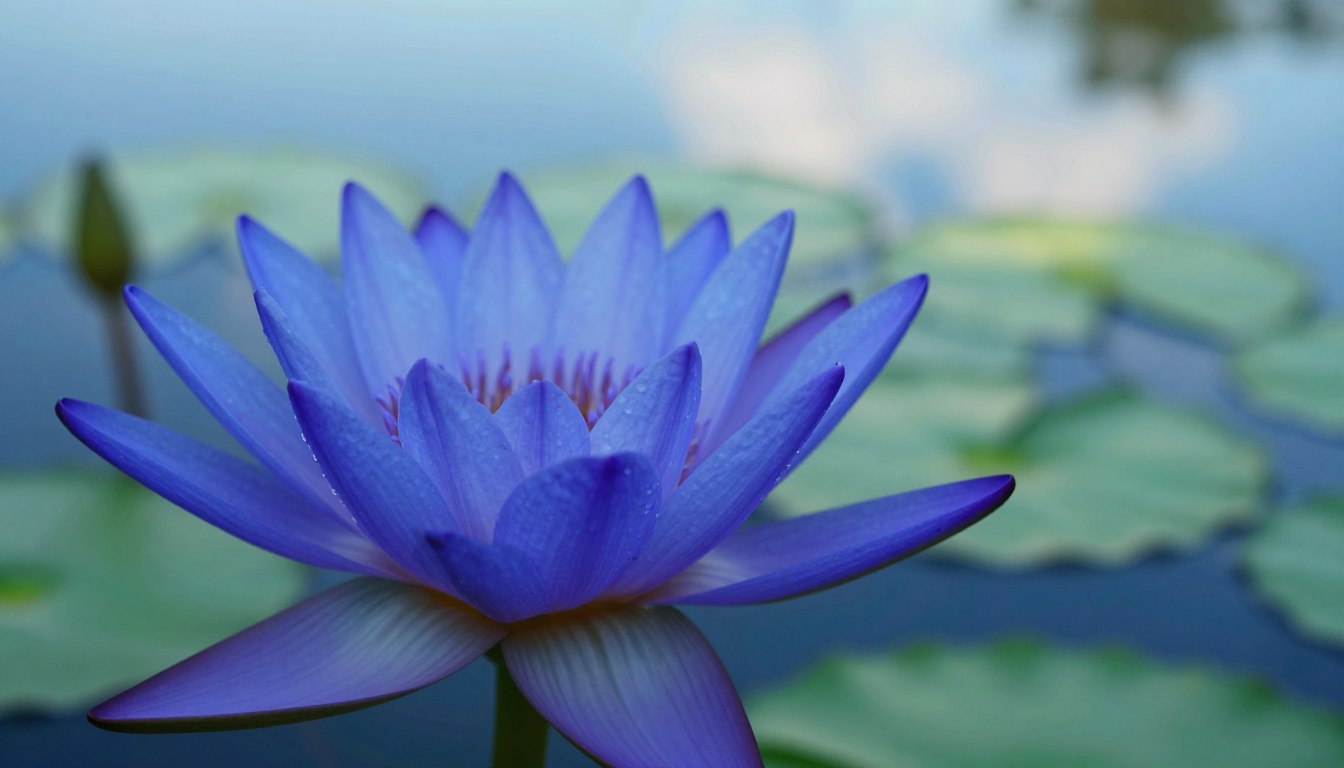
Welcome to the fascinating world of a revered botanical. This guide explores Nymphaea caerulea, a plant celebrated for millennia. Often called the Sacred Blue Lily of the Nile, it is technically a water lily, not a true lotus.
Ancient Egyptian culture held this flower in high esteem. It symbolized rebirth and a connection to the divine. Today, modern wellness enthusiasts are rediscovering its unique properties.
People seek it for relaxation, meditation, and sleep support. Its gentle effects are particularly noted for influencing the dream state. This makes it a popular choice for those interested in lucid dreaming, where one becomes aware within their dreams.
This introduction sets the stage for a comprehensive look at this sacred plant. We will bridge ancient wisdom with contemporary understanding. Get ready to learn about its history, preparation, and practical applications.
Key Takeaways
- Nymphaea caerulea is a water lily, not a true lotus, with deep historical roots.
- It has been used for centuries for its spiritual and relaxing properties.
- Modern interest focuses on its potential to support relaxation and sleep.
- The plant is associated with enhancing dream awareness and vividness.
- This guide will cover its history, effects, and safe usage methods.
Understanding the Legacy of Blue Lotus
Ancient Egyptian civilization left behind remarkable evidence of their reverence for this sacred water lily. The historical significance of Nymphaea caerulea extends far beyond simple decoration.
Historical Significance in Ancient Egypt
Archaeological findings show how deeply this plant was woven into daily life. Tomb paintings and hieroglyphics frequently feature lotus flowers as symbols of rebirth and creation.
Priests used the plant’s unique properties during spiritual ceremonies. They believed it helped induce trance states for divine communication.
Cultural and Spiritual Impact
The cultural impact of this sacred flower was profound in ancient society. People incorporated it into festivals and romantic gatherings.
These experiences were valued for enhancing emotional connections and promoting euphoria. The plant served both spiritual and practical purposes in healing practices.
“The sacred blossom opened pathways to higher consciousness and deeper understanding of life’s cycles.”
Ancient healers recognized the therapeutic properties of this remarkable plant. They used it to address various physical ailments with notable success.
| Application | Spiritual Purpose | Practical Use |
|---|---|---|
| Religious Ceremonies | Divine communication | Meditation aid |
| Social Gatherings | Emotional bonding | Mood enhancement |
| Healing Practices | Spiritual cleansing | Pain relief |
This historical context helps modern enthusiasts appreciate the long tradition behind their interest. The legacy continues to inspire those exploring natural remedies today.
Blue Lotus Dreams: How This Sacred Flower Enhances Lucidity
Modern enthusiasts are discovering how traditional remedies can bridge the gap between wakefulness and conscious dreaming. This botanical creates ideal conditions for achieving awareness during sleep.
Inducing Relaxation for Lucid Dreaming
The plant’s compounds work by calming both body and mind. This relaxed state reduces mental chatter that often blocks lucid dreaming.
Users enter the hypnagogic state more smoothly. This transitional phase between wakefulness and sleep is where conscious dreaming often begins.
Boosting Dream Vividness and Awareness
The botanical affects neurotransmitter systems like dopamine and serotonin. These pathways help maintain awareness during the dreaming state.
Many report longer, more colorful dreams with better detail recall. Recognizing dream signs becomes easier, which is key to achieving lucidity.
For best results, consume 30-60 minutes before bedtime. Set clear intentions and meditate briefly to sharpen focus. Keeping a dream journal strengthens the mind’s ability to remember dream details.
Exploring the Psychoactive Compounds and Technical Benefits
Two primary compounds work in synergy to produce the plant’s characteristic influence on consciousness. These alkaloids create the unique effects that have fascinated users for centuries.
Role of Apomorphine in Dream States
Apomorphine directly engages the brain’s dopamine pathways. This interaction supports mood regulation and reward processing.
The compound promotes relaxation and mild euphoric sensations. These effects help prepare the body and mind for sleep.
Function of Nuciferine in Enhancing Dreams
Nuciferine operates through multiple neurotransmitter systems. It influences both serotonin and dopamine pathways simultaneously.
This dual action creates complex cognitive effects. Research suggests it alters brainwave activity for creative thinking.
“The synergistic relationship between these compounds creates a balanced psychoactive profile unlike any other botanical.”
| Compound | Primary Mechanism | Key Effects | Therapeutic Potential |
|---|---|---|---|
| Apomorphine | Dopamine receptor activation | Relaxation, mild euphoria | Neurological conditions |
| Nuciferine | Multi-neurotransmitter modulation | Stress reduction, cognitive enhancement | Mood stabilization |
Together, these compounds create a distinctive experience that supports both relaxation and mental clarity.
Detailed Preparation Methods for Blue Lotus
Different consumption methods offer unique pathways to experiencing this revered flower. Each form provides distinct benefits tailored to individual preferences and goals.
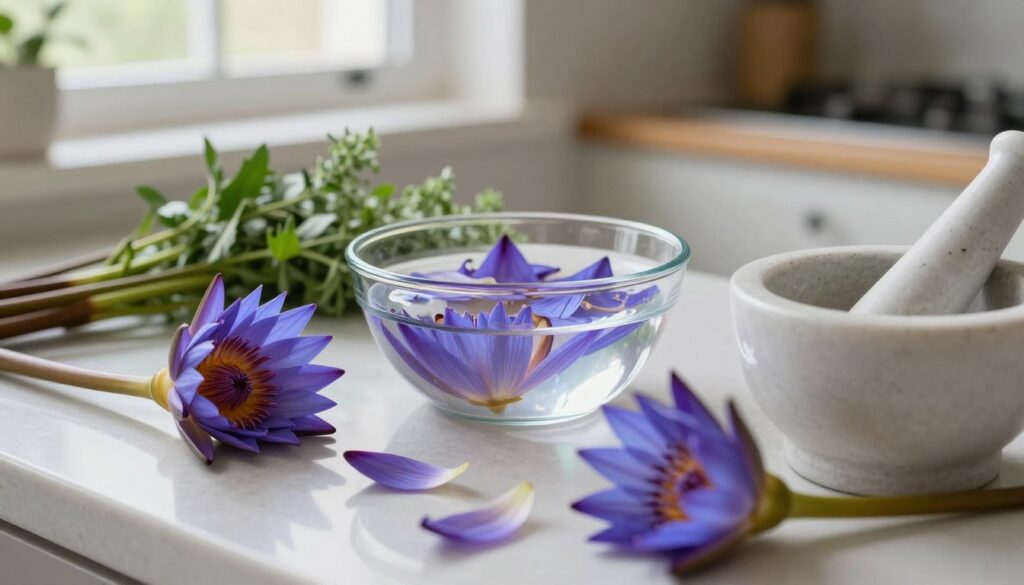
The preparation technique significantly influences how the plant’s compounds are absorbed. Understanding these methods ensures optimal results.
Brewing the Perfect Blue Lotus Tea
Tea preparation offers a gentle introduction to this botanical. Use 1-2 teaspoons of dried flowers per cup of boiling water.
Steep for 5-15 minutes depending on desired strength. Longer steeping extracts more active compounds. Add honey or lemon to enhance flavor.
Preparing Tinctures and Extracts
Tinctures provide concentrated doses without brewing. They deliver potent effects through precise dropper administration.
Place 3-5 drops under the tongue for fast absorption. Alternatively, mix with warm water for gradual release. This form offers flexible dosing control.
Integrating Blue Lotus into Your Nighttime Routine
The journey toward conscious dreaming begins long before one actually falls asleep. Establishing a consistent evening practice creates optimal conditions for the plant’s compounds to work effectively. This ritual prepares both body and mind for extraordinary nocturnal adventures.
Timing is crucial when incorporating this sacred flower into your routine. Consume your preferred preparation 30-60 minutes before bedtime. This ensures active compounds reach peak effectiveness as you transition into sleep.
Setting Intentions and Meditative Practices
Before resting, set clear intentions for your dreaming experience. Mentally repeat affirmations like “I will recognize when I’m dreaming tonight.” Visualize yourself becoming aware within a dream scenario.
Brief meditation sessions of 5-10 minutes greatly enhance results. This practice relaxes the body and quiets mental chatter. It sharpens the focused awareness needed for maintaining consciousness during dream states.
Keeping a dream journal significantly improves dream recall. Write down experiences immediately upon waking. This trains the subconscious to prioritize remembering details.
“Consistent nighttime rituals create neural pathways that support conscious awareness during sleep, making lucidity more accessible over time.”
Reality testing throughout the day builds awareness that carries into dreams. Try simple exercises like checking if text changes when you look away. These practices boost general consciousness levels.
| Technique | Timing | Primary Benefit | Frequency |
|---|---|---|---|
| Intention Setting | Before sleep | Mental preparation | Nightly |
| Meditation | 5-10 min pre-bed | Focus enhancement | Daily |
| Dream Journaling | Upon waking | Recall improvement | Morning |
| Reality Testing | Throughout day | Awareness building | Multiple times |
For enhanced results, consider pairing this botanical with complementary herbs like mugwort. This synergistic approach addresses multiple aspects of the lucid dreaming journey. It creates a comprehensive routine from preparation through morning reflection.
The Broad Health Benefits Beyond Dreaming
Beyond its celebrated role in nocturnal journeys, this sacred botanical offers a spectrum of wellness advantages. The plant’s therapeutic applications extend into daily life, providing holistic support for modern living.
Relaxation, Stress Relief, and Aphrodisiac Effects
This remarkable flower functions as a natural sedative. Its chemical constituents help regulate cortisol levels, the body’s primary stress hormone.

This creates a calm, peaceful state that benefits anyone experiencing chronic stress. The plant’s benefits extend to emotional well-being and deep relaxation.
Traditional practices valued this botanical as an effective aphrodisiac. Modern users report enhanced sensual experiences and improved sexual vitality.
The flower also supports creativity and mental clarity. Its mild properties facilitate access to flow states for better problem-solving.
| Benefit Area | Primary Mechanism | User Experience |
|---|---|---|
| Stress Relief | Cortisol regulation | Deep relaxation, tension reduction |
| Aphrodisiac Effects | Neurotransmitter enhancement | Heightened sensitivity, emotional connection |
| Creativity Support | Mental clarity facilitation | Improved idea generation, flow states |
| Meditation Aid | Quieted mental noise | Deeper contemplative practice |
Early research suggests antioxidants in the plant may protect neural pathways. This indicates potential long-term cognitive health benefits that make the experience valuable for overall wellness today.
Usage, Dosage, and Safety Guidelines
Responsible use of Nymphaea caerulea begins with understanding precise measurement guidelines. Individual sensitivity varies significantly, making proper dosing essential for achieving desired results while minimizing risks.
This section provides detailed technical information about consumption methods and safety protocols. Following these recommendations ensures a positive experience with this traditional botanical.
Recommended Dosages for Various Methods
Different preparation forms offer distinct duration and intensity profiles. Tea preparation requires 1-2 teaspoons of dried flowers, producing effects lasting 1-3 hours.
Smoking typically uses 1-2 petals with a quicker onset but shorter 30-60 minute duration. Tinctures provide concentrated potency with 3-5 drops offering 2-4 hours of effect.
New users should always start with the lowest recommended dose. This approach helps individuals understand their personal tolerance before increasing amounts.
Important Safety Precautions
Never combine this botanical with alcohol or pharmaceutical sedatives. These combinations can dangerously amplify the sedative effect on the body.
Exceeding recommended dosages may cause dizziness or nausea. Special populations including pregnant women should consult healthcare providers before use.
While generally considered safe, regulations vary by location. Responsible people verify local laws before purchasing or using any form of this plant.
Technical Insights and Scientific Perspectives
Contemporary scientific investigation is shedding new light on the traditional uses of this ancient botanical. Researchers today are applying modern methodologies to understand how Nymphaea caerulea produces its distinctive effects.

Current Research and Scientific Highlights
Studies on apomorphine reveal its dopamine-modulating properties. This mechanism supports mood enhancement and relaxation responses in the human mind.
Research into nuciferine shows antipsychotic potential with stress-reduction benefits. These findings validate traditional claims about sleep support and mental calmness.
The plant contains antioxidant compounds that combat cellular oxidative stress. While their exact cognitive role requires more study, they may promote neural longevity.
Current scientific experiences with this botanical highlight both promise and limitations. More rigorous clinical trials are needed to fully understand its therapeutic applications.
Researchers acknowledge the need for standardized extraction methods. This would allow more precise dosing protocols in future studies of the caerulea species.
Conclusion
The quest for deeper self-understanding finds a remarkable ally in this ancient botanical. Nymphaea caerulea carries a legacy spanning thousands of years, from Egyptian temples to modern wellness practices.
Scientific research validates traditional wisdom, showing how apomorphine and nuciferine create unique effects. These compounds support relaxation and enhance dream vividness for lucid dreaming practitioners. The plant offers flexible preparation methods to suit individual preferences.
Responsible exploration remains essential for a safe and rewarding journey. Start with low doses and prioritize personal safety above all else. This sacred flower invites mindful discovery of one’s inner world.
Approach this botanical with respect and clear intention. It can become a valuable tool for consciousness exploration and personal growth. The potential benefits extend far beyond nighttime experiences into daily life.