

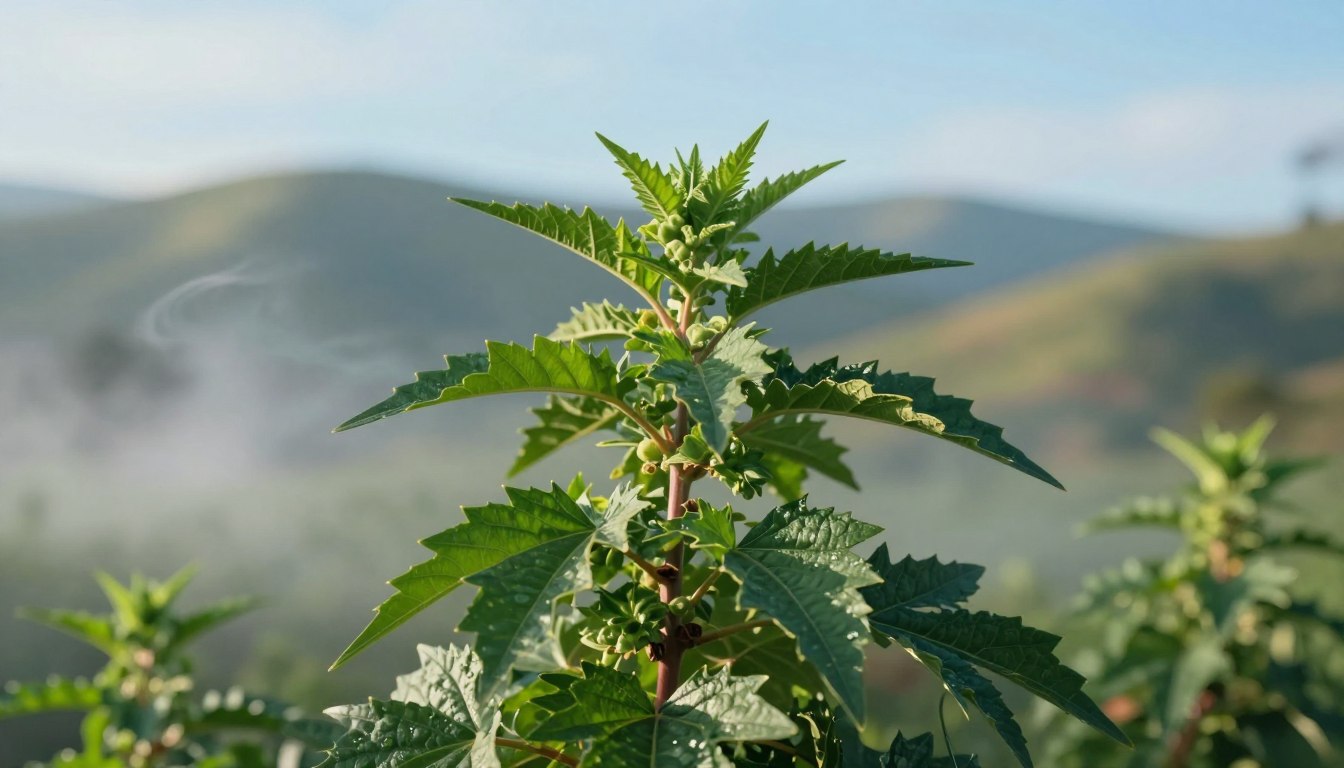
This flowering shrub from the Asteraceae family grows primarily in Mexico and Central America. Many people know it by several names including dream herb, bitter grass, and its scientific name Calea ternifolia. These all refer to the same fascinating plant.
The name “zacatechichi” comes from the Nahuatl language meaning “bitter grass.” This connects the herb to its indigenous Mexican origins. The bitter taste is a defining characteristic that gives the plant its traditional name.
Modern interest in this herb centers on dream exploration. Many seek vivid dreams, lucid dreaming, and oneirogenic experiences. Indigenous groups have used it for centuries in traditional practices.
While federally uncontrolled in most of the United States, this herb is not FDA-regulated. Product quality can vary significantly. Readers should approach information about this plant with both curiosity and appropriate caution.
This article will examine both traditional indigenous knowledge and modern scientific research. It provides a balanced perspective on what is known about calea zacatechichi. The content covers historical significance, chemical composition, effects on sleep, and safety considerations.
Key Takeaways
- Calea zacatechichi is a flowering plant native to Mexico and Central America
- The herb is known by multiple names including dream herb and bitter grass
- Its name derives from Nahuatl words meaning “bitter grass”
- Traditional indigenous use dates back centuries for dream-related purposes
- Modern interest focuses on vivid dreaming and lucid dream experiences
- The plant is not FDA-regulated in the United States
- Product quality and purity can vary significantly between sources
Introduction and Historical Perspectives
The rich ethnobotanical heritage of Mexican cultures reveals extensive traditional applications of a unique herb celebrated for its dual medicinal and spiritual purposes.
Traditional Uses and Cultural Significance
Indigenous communities across Mexico developed distinct relationships with this remarkable plant. The Chontal people of Oaxaca called it thle-pela-kano and incorporated it into divination rituals.
They used various preparation methods including smoking the dried leaves, brewing bitter tea, and placing the herb under pillows. These practices aimed to induce prophetic dreams and enhance dream recall.
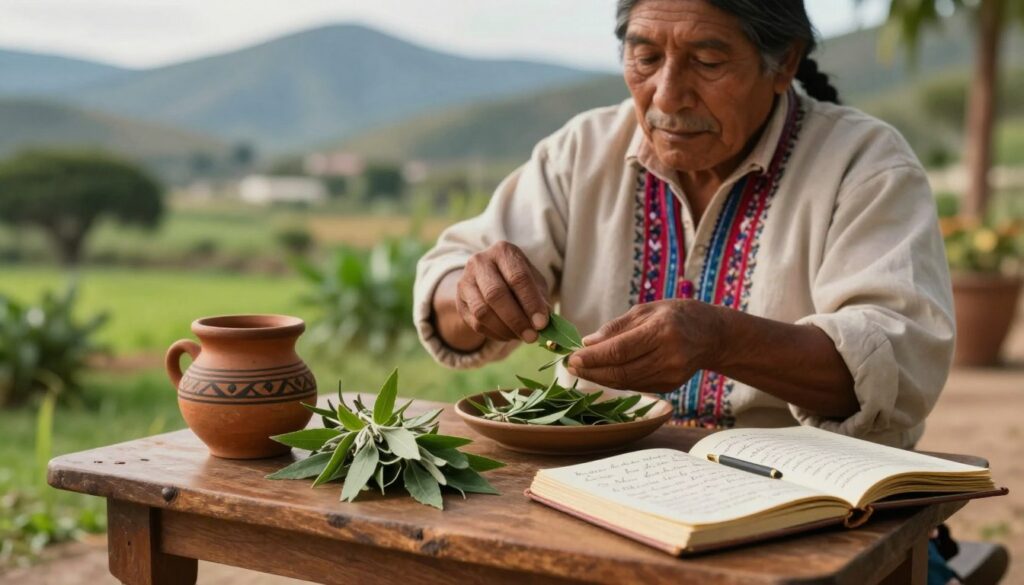
Different groups assigned unique names reflecting local traditions. The Zoque Popoluca people knew it as tam huñi (“bitter gum”) for treating diarrhea and asthma.
Historical Background in Mexican Medicine
The Mixe community referred to the plant as poop taam ujts (“white bitter herb”) for stomachache and fever relief. Traditional Mexican medicine also employed it against dysentery.
These diverse applications demonstrate how indigenous peoples valued the herb for both physical healing and spiritual exploration. The plant served as a bridge between practical medicine and mystical experiences.
| Indigenous Group | Local Name | Primary Uses | Preparation Methods |
|---|---|---|---|
| Chontal People | Thle-pela-kano | Dream enhancement, divination | Smoking, tea, under pillow |
| Zoque Popoluca | Tam huñi (“bitter gum”) | Diarrhea, asthma treatment | Medicinal preparations |
| Mixe Community | Poop taam ujts (“white bitter herb”) | Stomachache, fever relief | Traditional remedies |
Ethnopharmacological research documents these traditional uses through anthropological reports. However, systematic scientific evidence for some applications remains limited.
Scientific Insights and Pharmacological Aspects
The pharmacological activity of the dream herb stems from a sophisticated interplay of multiple bioactive compounds identified through chemical analysis.
Chemical Composition and Active Compounds
Researchers have isolated various compounds from this botanical specimen. These include flavones like acacetin and sesquiterpene lactones such as germacranolides.

The most significant compound appears to be Caleicine. This unique sesquiterpene acts as a prodrug for Eugenol, a potent GABA modulator. Additional bioactive molecules include Chlorogenic acid, α-Pinene, and Squalene.
Mechanisms of GABA Modulation and Pharmacodynamics
These compounds function as positive allosteric modulators at GABAA receptors. This mechanism mirrors that of many sedative medications including Zolpidem and Propofol.
GABA-positive substances typically produce anxiolytic, anticonvulsant, and sedative effects. They also exhibit oneirogenic properties that explain the vivid dream experiences.
In one study, twelve participants received aqueous extract of the plant. They reported mild sensory enhancement, thought gaps, and short sleep periods with vivid dreams.
While GABA modulation explains many effects, sesquiterpene lactones also inhibit NF-kappaB. This suggests potential anti-inflammatory activity beyond the primary neurological effects.
Exploring the Effects, Uses, and Safety of “calea zacatechichi”
Understanding the practical effects and safety considerations of the dream herb requires examining both user experiences and scientific findings. This section explores what users can realistically expect and important precautions to consider.
Impact on Dreams and Sleep Quality
Many people report enhanced dream experiences with this plant. Users describe more vivid dreams, better dream recall, and sometimes lucid dreaming capabilities.
A 2022 review confirmed that some studies document these dream effects. However, sleep quality presents a complex picture. While the herb may promote relaxation, some users experience frequent awakenings.

Research shows it doesn’t act like classic hallucinogens. The dream-like images some report differ from true hallucinations.
Potential Health Benefits and Reported Side Effects
Beyond dream enhancement, the herb contains chlorogenic acid. This compound may support cognitive function and offer cardiovascular benefits.
However, safety concerns deserve attention. High doses can cause nausea or vomiting. More serious side effects may include liver or kidney stress.
“Always consult a healthcare professional before trying new herbs, especially if you have existing health conditions or take medications.”
Important medication interactions to consider include:
| Medication Type | Potential Interaction | Safety Recommendation |
|---|---|---|
| Diabetes medications | May lower blood sugar further | Monitor levels closely |
| Blood pressure drugs | Could increase lowering effect | Regular pressure checks needed |
| Anti-anxiety medications | May enhance sedative effects | Reduce dosage carefully |
People with allergies to ragweed or daisies should exercise caution. Product quality varies since this herb isn’t FDA-regulated.
Conclusion
Exploring the world of dream enhancement requires careful consideration of both historical practices and current safety knowledge. The dream herb represents a fascinating blend of traditional Mexican wisdom and modern scientific interest.
Many people seek this plant for vivid dreams and better sleep. However, scientific evidence remains limited. Most reports come from traditional use and personal experiences.
Safety should always come first. The herb can affect sleep patterns and may interact with medications. People should consult healthcare professionals before use.
Legal status varies by location. In the United States, calea zacatechichi is generally uncontrolled except in Louisiana. Other countries like Poland have banned it entirely.
Quality and purity of products can differ greatly. Always choose reputable suppliers and start with small amounts. This approach helps ensure a safer experience with this intriguing botanical.