

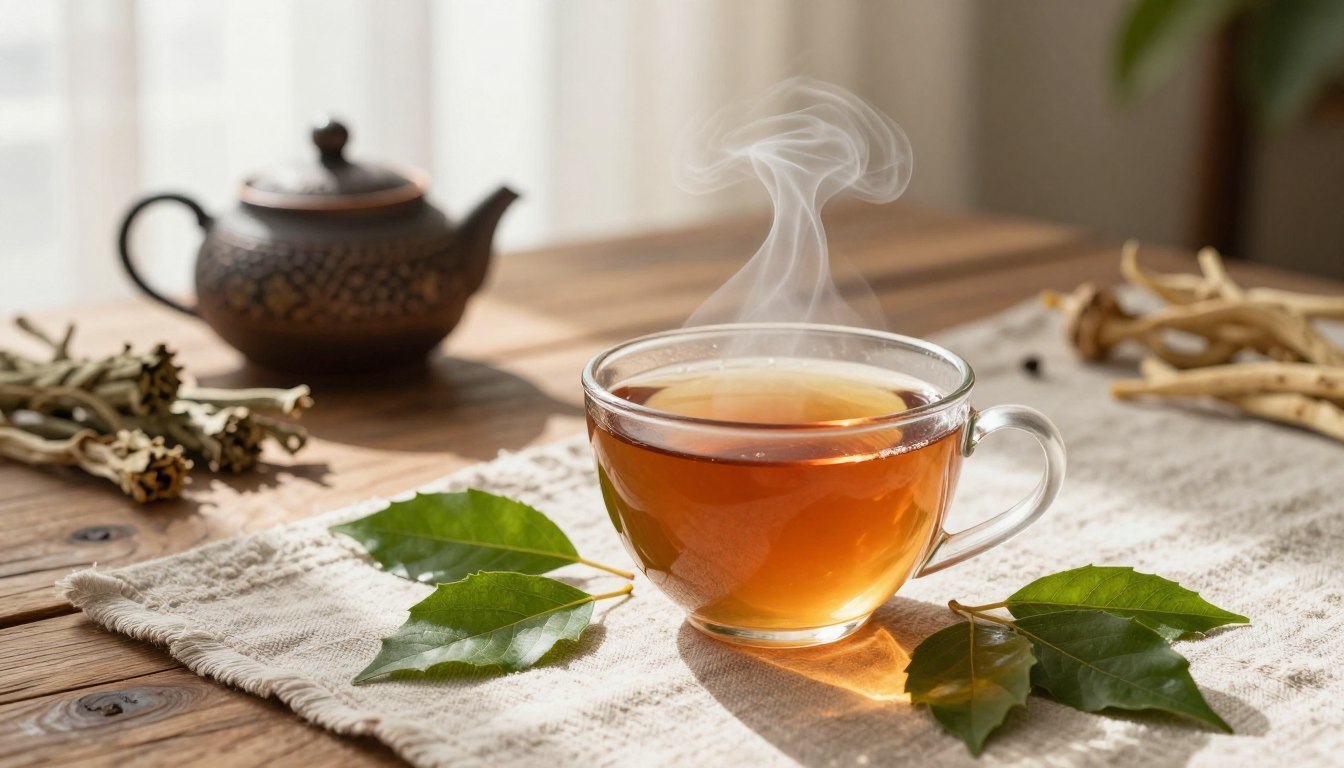
Exploring the world of botanicals for sleep and consciousness can be a fascinating journey. This guide focuses on a special plant known for its unique properties.
We will primarily explore Calea zacatechichi, a shrub native to Mexico. It is also called Calea ternifolia or bitter grass. For centuries, indigenous groups like the Chontal Maya have valued this plant. They used it to gain mental clarity and connect with their nighttime visions.
Today, this botanical is popular among those seeking to improve their sleep experiences. It is often used to encourage lucid states and better recall of nighttime journeys.
This article provides a complete guide. You will find detailed brewing instructions and important safety information. We will also cover complementary plants like mugwort and valerian. These can work together with the primary herb for a more vivid experience.
Key Takeaways
- Calea zacatechichi is a central plant for those interested in enhancing their sleep experiences.
- It has a long history of traditional use by indigenous cultures in Mexico.
- The plant is also scientifically known as Calea ternifolia and colloquially called bitter grass.
- This guide offers practical brewing techniques and safety tips.
- Strategies discussed can be applied to other supportive botanicals like mugwort and blue lotus.
- The goal is to provide clear, actionable information for a safe and effective practice.
Exploring the Science and Benefits of Dream-Enhancing Herbal Teas
The traditional use of specific plants for enhancing nighttime experiences is supported by a growing body of scientific inquiry. This section delves into the historical context and the technical research behind these fascinating botanicals.
Historical Use and Indigenous Practices
For centuries, indigenous groups like the Chontal Maya have utilized Calea zacatechichi. They valued this plant, also known as Calea ternifolia, for its ability to promote mental clarity and more meaningful sleep experiences. This ancient wisdom forms the foundation of modern interest in the plant’s unique properties.
Users often report an increased ability to remember their nighttime journeys. They also describe sequences that are more vivid and memorable. This aligns with traditional accounts of gaining a deeper understanding from these states.

Technical Insights and Research Findings
Modern research provides a complex picture. A 2022 literature review confirmed reports of vivid dreams. However, the same studies noted that people might experience superficial sleep stages and more frequent awakenings.
The effects are linked to specific compounds like chlorogenic acid. This antioxidant may support cognitive functions like attention and memory. It also offers broader health benefits.
These include potentially helping to regulate blood pressure and manage blood sugar levels, which is relevant for diabetes prevention. A 2021 study on rats showed an anti-anxiety effect at various doses.
It is important to clarify that while some report intense imagery, the plant does not produce hallucinations like psychedelic drugs. Its mechanism is distinct, acting differently on the brain.
Step-by-Step Guide to Brewing Your Perfect Dream Herb Tea
Brewing a potent botanical infusion requires precise technique to maximize benefits while ensuring safety. This guide provides detailed instructions for preparing Calea zacatechichi effectively.
Measuring, Boiling, and Steeping Techniques
Begin with accurate measurement. Use 1 tablespoon (5g) of dried leaves per 200ml of water. Beginners should start with 1 teaspoon (3g) and gradually increase.
Heat water to exactly 212°F (100°C). This temperature ensures full extraction of active compounds. Proper boiling is critical for potency.

Steep the leaves for 2-8 minutes. Longer steeping creates a stronger, more bitter brew. Many users believe this intensifies nighttime experience recall.
Incorporating Flavor Enhancers Without Losing Potency
The natural bitterness of Calea zacatechichi can be challenging. Add honey for sweetness, lemon for freshness, or cinnamon for warmth.
These additions mask bitterness without affecting the plant’s properties. They make the beverage more enjoyable while preserving its effects.
Safety, Dosage, and Potential Side Effects
Safety considerations are paramount. Research suggests potential liver and kidney concerns. High doses may cause nausea or vomiting.
Consult a healthcare professional before taking Calea zacatechichi, especially if using medications. This includes drugs for blood sugar control, blood pressure, or anxiety.
People allergic to ragweed or daisies should avoid this plant due to cross-reactivity risks. Common side effects include bitter aftertaste and next-day drowsiness.
Always start with small amounts and monitor your body’s response. Proper preparation and caution ensure a safer experience with this traditional botanical.
Optimizing Your Sleep Environment for Lucid Dreams
The physical and mental space where you sleep plays a crucial role in dream intensity and recall. Proper environmental preparation works synergistically with Calea zacatechichi to enhance nighttime experiences.
Establishing a Calming Pre-Bedtime Ritual
Begin your routine 30-60 minutes before bed. Dim the lights and create a peaceful atmosphere. This signals to your mind that it’s time to transition into rest.
Consume your botanical preparation approximately 30 minutes before sleeping. This timing allows the effects to align with your natural sleep cycle. The combination promotes more vivid experiences.

Keeping a Dream Journal to Improve Recall
Place a notebook and pen within easy reach of your bed. Write down any impressions immediately upon waking. This practice significantly improves your ability to remember dreams.
Regular documentation helps people recognize patterns and themes in their nighttime journeys. Over time, this awareness can facilitate more lucid states.
Complement these practices with additional relaxation techniques. Avoid screens before bed and maintain a cool room temperature. These habits support overall health and sleep quality.
Conclusion
Exploring plant-based approaches to consciousness requires balancing traditional wisdom with modern safety protocols. Calea zacatechichi, also called Calea ternifolia or bitter grass, represents a fascinating botanical with historical significance.
While many people report positive effects on their nighttime experiences, current research remains limited. Most evidence comes from personal reports rather than clinical studies.
Critical safety considerations include potential liver and kidney problems. High doses may cause nausea or vomiting. This plant can affect blood sugar levels, requiring caution for those with diabetes or taking related medications.
Since Calea zacatechichi isn’t FDA-regulated, sourcing quality products demands careful research. Always consult healthcare professionals before use, especially if taking other medications or having existing health conditions.
Combining proper preparation with sleep optimization creates the best results. Responsible exploration means respecting both traditional uses and scientific findings for safe, informed practice.