


Many people explore audio technology to influence their mental state. Two popular methods are isochronic tones and binaural beats. Both aim to guide the brain into specific patterns of activity.
Isochronic tones use a single sound that pulses on and off at a steady rhythm. This creates a clear, distinct pattern for the brain to follow. In contrast, binaural beats require stereo headphones. They play two slightly different tones, one in each ear. The brain perceives a third, rhythmic pulse from the difference between these frequencies.
This process is known as brainwave entrainment. The goal is to synchronize the listener’s natural brain wave patterns with an external audio frequency. For those seeking a lucid dream, the idea is to use these sounds to encourage a specific state of awareness during sleep.
But which audio technology delivers better results? This article compares the science, user experiences, and practical application of both tones and beats to find an answer.
Key Takeaways
- Isochronic tones and binaural beats are two distinct audio technologies used for brainwave entrainment.
- Isochronic tones use a single, pulsing sound, while binaural beats require two different tones played separately to each ear.
- Both methods aim to synchronize the brain’s natural electrical activity with a specific audio frequency.
- This synchronization may help guide the mind into states conducive to achieving a lucid dream.
- The effectiveness of each method can depend on factors like individual sensitivity and proper usage.
- Understanding the technical differences is the first step in determining which approach might work better for you.
Introduction
The quest for conscious dreaming has led many to explore audio-based brain stimulation techniques. These methods offer a drug-free approach to achieving altered states of awareness during rest. The scientific foundation for this approach dates back centuries.
Dutch physicist Christiaan Huygens made a crucial discovery in 1665. He noticed that pendulum clocks eventually synchronized their swinging patterns. This observation revealed nature’s tendency toward rhythmic alignment.
Modern applications build on this principle of synchronization. Brain waves represent measurable electrical patterns in the mind. Each pattern corresponds to specific mental states and frequencies.
Researchers use electroencephalogram (EEG) technology to track these patterns. The table below shows major brain wave categories and their associated states:
| Wave Type | Frequency Range | Mental State | Common Occurrence |
|---|---|---|---|
| Delta | 0.5-4 Hz | Deep Sleep | Dreamless Sleep |
| Theta | 4-8 Hz | Drowsiness | Light Sleep |
| Alpha | 8-12 Hz | Relaxed Alertness | Closing Eyes |
| Beta | 12-30 Hz | Active Thinking | Daily Activities |
| Gamma | 30-100 Hz | Peak Concentration | Problem Solving |
This growing field attracts people seeking safe consciousness exploration. Audio methods provide accessible alternatives to traditional techniques. Current research examines their potential for focus and relaxation.
Individual experiences vary significantly with these technologies. While many report benefits, scientific understanding continues to evolve. The journey toward mastering dream states remains personal and fascinating.
Understanding Isochronic Tones
Among auditory stimulation techniques, one approach stands out for its distinctive pulsing pattern. This method uses precise audio signals to influence mental states.
Definition and Mechanism
Isochronic tones consist of single audio pulses that turn on and off at regular intervals. These evenly-spaced beats create a clear rhythmic pattern that the brain can easily follow.
The mechanism involves sharp, distinctive pulsing sounds that stand out from continuous background noise. This creates a more pronounced auditory stimulus compared to steady tones.
The Role in Brain Wave Entrainment
Dr. Arturo Manns discovered in 1981 that these tones produce stronger brain wave entrainment effects. The brain responds readily to the clear on-off pattern of the sound pulses.
This technology works by presenting a single frequency that pulses at specific intervals. The brain’s natural electrical activity synchronizes with these pulses through frequency following response.
These audio patterns guide dominant brain waves into different frequency ranges. This process can trigger changes in mental and emotional states. Many users find them embedded in music or nature sounds for a more pleasant experience.
Understanding Binaural Beats
The human brain possesses an incredible ability to perceive rhythms that aren’t actually present in external sounds. This phenomenon forms the basis of binaural beats technology, which creates auditory illusions through stereo separation.
What Are Binaural Beats?
Binaural beats occur when each ear receives a slightly different frequency. The brain processes the difference between these different frequencies and creates a perceived third beat.
For example, if 330 hertz plays in the left ear and 300 hertz in the right, the mind perceives a 30-hertz binaural beat. This internal rhythm emerges from mathematical frequency subtraction.
Key Differences from Isochronic Tones
Unlike isochronic tones that use pulsing sounds, binaural beats produce continuous tones. The entrainment frequency isn’t in the audio signal but created by neural processing.
Headphones are essential because each ear must receive isolated frequencies. Some research suggests these beats may be less effective if the two frequencies cancel each other out at incorrect volumes.
While binaural beats have more research history, the consistency of the entrainment stimulus varies between individuals. The technology relies heavily on precise audio delivery to each ear separately.
The Basics of Brain Wave Entrainment
Brain wave entrainment represents a fascinating biological phenomenon where the mind aligns with external rhythmic stimuli. This natural synchronization occurs when the brain’s electrical activity matches external patterns.
The discovery dates back to 1665 when Dutch physicist Christiaan Huygens observed pendulum clocks synchronizing overnight. This revealed a universal principle of rhythmic alignment in oscillating systems.
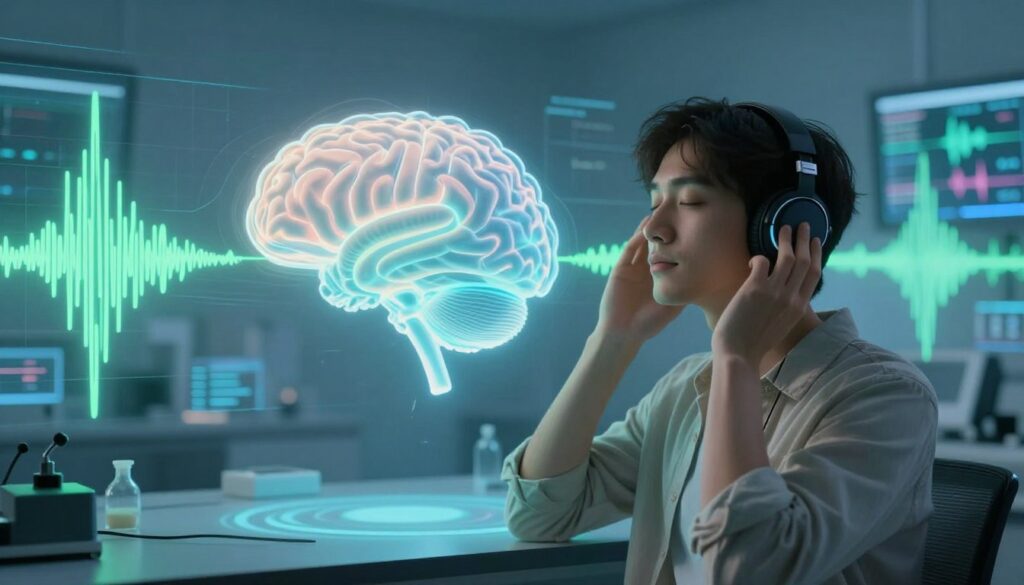
Modern brain wave entrainment works through frequency following response. External rhythmic stimuli cause the brain‘s dominant electrical patterns to shift. Neurons communicate through synchronized pulses that create measurable brain waves.
Different wave states correspond to specific mental conditions. Wave entrainment can guide the brain from anxious states to relaxed or sleep-ready patterns. This gentle nudging works with the brain‘s natural tendency toward synchronization.
The effectiveness of entrainment depends on several key factors. Proper application requires understanding these variables for optimal results.
| Factor | Impact on Entrainment | Optimal Conditions |
|---|---|---|
| Stimulus Strength | Determines how strongly the brain responds | Moderate volume, clear rhythm |
| Exposure Duration | Affects how quickly synchronization occurs | 15-30 minute sessions |
| Individual Baseline | Influences receptivity to specific frequencies | Varies by person and current state |
| Frequency Match | Ensures alignment with desired brain state | Target frequency matching goal state |
This brainwave technology offers a natural approach to mental state management. The process respects the brain‘s inherent rhythms while providing gentle guidance.
Detailed Comparison: Isochronic Tones vs Binaural Beats
A technical examination reveals crucial differences in how these two technologies interact with brain activity. Their distinct approaches to sound delivery create varying experiences and potential outcomes.
Sound Patterns and Frequency Differences
Isochronic tones create clear, rhythmic pulses that turn on and off at specific intervals. This creates a distinct pattern that the brain can easily detect and follow.
In contrast, binaural beats use continuous tones played separately to each ear. The brain processes the difference between these frequencies to create an internal rhythm.
Effectiveness in Inducing Lucid Dreams
The pulsing nature of isochronic tones provides a stronger, more consistent stimulus. This may lead to more reliable brainwave entrainment for some users.
Binaural beats require precise volume balance between ears to work effectively. Improper calibration can cause frequency cancellation, reducing their impact.
While both methods can guide the brain toward states conducive to lucid dreaming, individual response varies. Some people find one method more effective based on their personal sensitivity to different sound patterns.
Practical considerations also matter. Binaural beats absolutely require headphones for proper stereo separation. The other technology can work through speakers, though headphones may enhance the experience.
Optimizing Isochronic Tones Sleep for Lucid Dream Induction
Optimizing audio-based dream induction demands understanding the natural progression of sleep stages. The most effective approach involves transitioning through different frequency ranges as the brain moves through various phases of rest.
Delta frequencies between 0.5-4 Hz promote deep sleep and unconscious processing. These low-range brain waves help establish the foundation for restorative rest. Starting with delta-range isochronic tones facilitates natural sleep onset.
Theta waves (4-8 Hz) become particularly relevant during REM cycles where most dreaming occurs. This state supports the awareness needed for conscious dreaming experiences. Transitioning to theta frequencies timed with REM periods enhances lucid dream potential.
Practical optimization involves balancing deep sleep achievement with maintained awareness. Volume should be audible enough to influence brain waves without causing disruption. Many users find success with sessions timed to coincide with longer REM periods later in the sleep cycle.
This strategic frequency progression creates optimal conditions for conscious dreaming while supporting overall sleep quality. The approach respects natural sleep architecture while gently guiding the brain toward desired states.
Lucid Dream Induction Techniques & Benefits
Achieving lucid awareness during dreams combines ancient practices with modern technology. This powerful technique merges meditation with audio brainwave guidance for remarkable results.
Step-by-Step Guide for Lucid Dreaming
Begin with 10-20 minutes of evening meditation. Find a quiet space and set a clear intention for dream awareness. Listen to your chosen audio entrainment during this practice.
This preparation time allows your mind to achieve deep relaxation. As one user reported, “This helps me stay as focused as possible.” The combination enhances mental clarity.
Continue listening as you transition into rest. Maintain subtle awareness while your body relaxes. This balanced state prepares your consciousness for dream recognition.
For optimal timing, consider brief awakening after 4-5 hours. Then restart the audio during REM periods. This strategic approach significantly increases success rates.
Regular practice delivers multiple benefits beyond dream control. Studies show improved focus and reduced anxiety. The technique creates synergistic effects that enhance overall well-being.
Consistency is key—most people need several weeks of regular practice. The mind gradually learns to associate audio cues with heightened awareness. This investment of time yields lasting rewards in consciousness exploration.
Frequency Ranges for Sleep and Lucid Dreaming
Different brain wave patterns create the foundation for various states of awareness and consciousness. Each frequency range corresponds to specific mental experiences that can be targeted for lucid dream induction.

Role of Delta and Theta Waves
The electrical activity of the brain operates across distinct frequency bands. These waves range from high-frequency gamma to low-frequency delta patterns.
Gamma waves (30-100 Hz) represent the highest frequency associated with peak concentration. Beta waves (12-30 Hz) characterize normal waking consciousness with active thinking.
Alpha waves (8-12 Hz) serve as a transitional frequency between waking and resting states. They support relaxed awareness and closed-eye visualization.
Theta waves (4-8 Hz) are most directly associated with lucid dream induction. This range corresponds to REM sleep and the hypnagogic state where dream awareness becomes accessible.
Delta waves (0.5-4 Hz) represent the lowest frequency for deep, restorative rest. While essential for sleep quality, this range may be too deep for maintaining conscious awareness.
| Wave Type | Frequency Range (Hz) | Primary Mental State | Lucid Dream Relevance |
|---|---|---|---|
| Gamma | 30-100 | Peak Concentration | Low |
| Beta | 12-30 | Active Thinking | Transition State |
| Alpha | 8-12 | Relaxed Awareness | Maintains Consciousness |
| Theta | 4-8 | Dreaming/Meditation | High – Optimal Range |
| Delta | 0.5-4 | Deep Rest | Foundation for Sleep |
Strategic frequency protocols guide the brain through appropriate ranges. Targeting theta frequencies around 4-7 Hz creates optimal conditions for conscious dreaming experiences.
Research and Studies on Brain Wave Entrainment
Recent academic studies have shed new light on how auditory entrainment technologies affect cognitive functions. A comprehensive 2021 review found promising evidence for mood modulation and attention improvement through specific audio therapies.
A 2019 study with 32 participants examined memory enhancement using different frequency ranges. Those exposed to beta-range beats showed better word recall than theta-range listeners.
Sleep quality research from 2018 involved 24 subjects using delta-frequency stimulation. Results indicated longer deep rest periods for the experimental group.
Another investigation from 2017 studied 25 individuals and monaural stimulation. While memory tasks showed no significant effect, researchers observed notable reductions in anxiety levels.
A broader 2008 analysis of 20 separate studies suggested overall effectiveness for various applications. The cumulative evidence points toward therapeutic potential.
Additional research demonstrates that 40 Hz beats can improve attention. Combining audio entrainment with meditation creates synergistic benefits for stress reduction.
Current study limitations include small sample sizes and methodological variations. Larger controlled trials are needed to establish definitive protocols.
Technical Considerations and Safety
Proper audio safety practices ensure optimal results while protecting hearing health. Following specific guidelines creates a foundation for effective brainwave training.
Recommended Volume and Usage Tips
Volume control is critical for safe listening. Prolonged exposure above 70 decibels can damage hearing. Normal conversation measures around 60 decibels.
A comfortable listening level falls between 50-65 decibels. This range allows clear sound perception without risk. Users should adjust volume to audible but non-intrusive levels.
Headphones play a vital role in audio entrainment. Good quality equipment ensures accurate frequency response. Over-ear or in-ear designs work well for extended sessions.
One user emphasizes, “The headphones are definitely needed though; without them, it never works.” Proper fit prevents discomfort during longer listening time.
Safety precautions include consulting healthcare providers for epilepsy concerns. Avoid using relaxing frequencies when driving or operating machinery. These sounds reduce alertness required for safe task performance.
Start with shorter 10-15 minute sessions to assess individual response. Gradually increase time as the brain adapts. Use appropriate frequencies for specific times of day.
Ensure audio devices reproduce full frequency ranges accurately. Check that equipment doesn’t distort entrainment frequencies. High-quality audio files provide the best experience.
User Experiences and Anecdotal Evidence
Real-world experiences provide compelling insights into how audio entrainment technologies impact daily life. Many people report significant improvements in their ability to focus and manage various conditions.
A university student with ADHD shared, “This website has allowed me to study for hours without distraction.” The technology helped quiet intrusive thoughts that previously disrupted concentration.
Individuals facing health challenges find particular value. One person undergoing chemotherapy reported that specific frequencies helped maintain focus on software development. Another with chronic pain found theta frequencies “groundbreaking” for pain management.
“This helped me focus, like the focus mode quietened all the screaming and voices in my head.”
Educational settings also benefit from these applications. Teachers create ambient soundscapes to help students relax and focus during class time. The technology supports learning environments by reducing anxiety and improving attention.
Many users describe almost immediate shifts in mental state. They report achieving flow states that were previously difficult to access. The brain responds quickly to these auditory patterns.
| User Group | Primary Benefit | Frequency Used |
|---|---|---|
| Students with ADHD | Enhanced study concentration | Beta ranges (16-20 Hz) |
| Chronic Pain Patients | Pain management support | Theta waves (4-7 Hz) |
| Insomnia Sufferers | Improved sleep onset | Delta frequencies (1-3 Hz) |
| Classroom Settings | Reduced anxiety and better focus | Alpha waves (8-12 Hz) |
These diverse experiences demonstrate the technology’s versatility. From managing ADHD symptoms to supporting people through medical treatments, audio entrainment helps many achieve better mental states.
Creating an Effective Lucid Dream Routine
Building a successful practice requires careful preparation and daily commitment. The brain learns best through repeated patterns and consistent signals.
Begin with a 10-20 minute wind-down time before bed. This routine should include relaxation exercises and setting clear intentions. Starting audio entrainment during this practice helps signal the brain for the transition ahead.
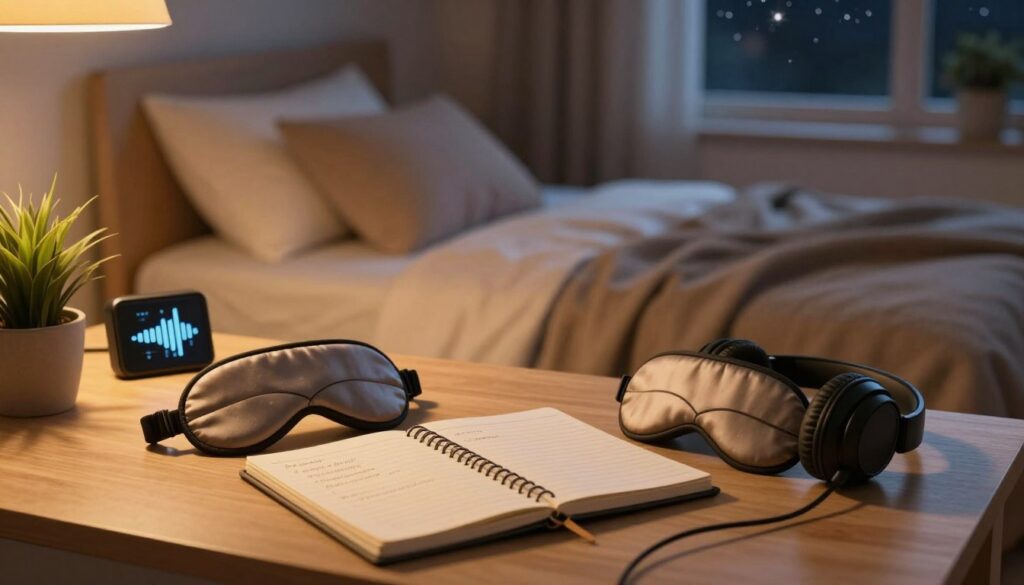
Initial sessions should last only 10-15 minutes to avoid discomfort. As familiarity grows, gradually extend listening time to 30-60 minutes. One user reported remarkable results combining audio with other methods.
“This, alongside White Rain Noise generator, and then suddenly I’ve been studying for 9 hours? What magic is this.”
Consistency proves more valuable than session length. Daily practice creates stronger neural associations than occasional long sessions. The table below compares key routine elements:
| Routine Element | Beginner Approach | Advanced Technique |
|---|---|---|
| Session Length | 10-15 minutes | 30-60 minutes or overnight |
| Frequency | Daily practice | Multiple sessions including naps |
| Complementary Methods | Basic dream journaling | Reality checks + visualization |
| Timing Strategy | Bedtime only | Wake-back-to-bed technique |
Advanced practitioners often experiment with different frequency protocols. Combining audio with nature sounds or ambient music can enhance the experience. Tracking results helps identify what works best for individual brain patterns.
Tools and Accessories for Enhanced Entrainment
Your choice between headphones and speakers affects how your brain responds to entrainment frequencies. The right equipment ensures clear audio delivery for optimal results.
Headphones vs Speakers
Binaural beats absolutely require headphones because each ear needs separate frequencies. Without proper stereo separation, the entrainment effect diminishes significantly.
For other audio methods, speakers can work but require careful positioning. Stay close to the sound source to maintain effectiveness. Equal distance from stereo speakers ensures balanced sounds.
Recommended Devices and Software
Choose comfortable headphones with good frequency response. Sleep-friendly designs like flat earbuds work well for extended sessions. One user confirmed, “The headphones are definitely needed though; without them, it never works.”
Look for software and app options that offer customizable frequencies. High-quality audio files (320kbps or lossless) preserve precise entrainment patterns. Many applications allow layering with music or nature sounds.
Test your device‘s ability to reproduce low frequencies accurately. Smartphones and tablets work well when paired with proper equipment. Good sound quality makes a noticeable difference in entrainment effectiveness.
Troubleshooting Common Issues
Some users encounter unexpected challenges when beginning their audio entrainment journey. The individual response varies greatly between people, creating different experiences for everyone.
A common problem is when the technology doesn’t work immediately. Some people need 2-4 weeks of consistent use before noticing any effect. This adjustment period allows the brain to adapt to the new stimulation.
Headache issues often relate to frequency sensitivity. As one user shared, “The highest frequency sometimes gives me a headache, but the second lowest one doesn’t.” Lowering the volume or trying different ranges usually solves this problem.
Technical factors significantly impact the effect. Poor headphones or incorrect volume levels can prevent proper brain entrainment. Starting with shorter sessions helps avoid discomfort during the initial adjustment.
| Common Problem | Likely Cause | Solution |
|---|---|---|
| No noticeable effect | Insufficient volume or short exposure time | Increase volume gradually, extend session time |
| Headache or discomfort | Frequency sensitivity or volume too high | Switch to lower frequencies, reduce volume |
| Sleep difficulties | Using stimulating frequencies instead of relaxing ones | Use delta/theta ranges, add nature sounds |
| Anxiety or restlessness | Frequency mismatch with current brain state | Experiment with different frequency ranges |
The key is recognizing that individual differences matter most. What works for one person may need adjustment for another. Patience and experimentation yield the best response over time.
Expert Insights and Future Research
Leading researchers in cognitive science are mapping out the future directions for brain entrainment technologies. A comprehensive 2021 review highlighted that both audio methods show promise but lack sufficient scientific backing for definitive conclusions.
Experts emphasize the need for more rigorous studies with larger sample sizes. They call for standardized protocols and direct comparisons between different audio technologies.
| Research Priority | Current Status | Future Goals |
|---|---|---|
| Individual Response Patterns | Limited understanding | Personalized frequency protocols |
| Long-term Effects | Short-term studies only | Multi-year follow-up research |
| Neurological Mechanisms | Basic understanding | Detailed brain mapping |
| Clinical Applications | Preliminary evidence | Therapeutic validation |
Scientists note a significant gap between marketing claims and scientific evidence. While online promotions tout various benefits, peer-reviewed research remains limited for certain technologies compared to others.
Future investigations will explore optimal frequency combinations and individual differences in response. Technological advances like improved neuroimaging and AI-powered personalization may enhance this research.
Experts see great potential for these non-invasive tools in cognitive enhancement and consciousness exploration. As evidence accumulates, these technologies may gain broader acceptance in clinical contexts.
Conclusion
Choosing between these two audio technologies ultimately comes down to personal experience and response. Both methods use brain wave entrainment principles to guide consciousness toward lucid dream states.
Isochronic tones deliver a stronger, more consistent stimulus through clear pulsing patterns. Binaural beats create an internal rhythm that requires precise headphone use. Current research suggests the former may have an effectiveness advantage for some people.
The best approach involves experimenting with both technologies. Personal individual response matters more than theoretical superiority. What works for one brain may differ for another.
Practical considerations include equipment needs and frequency selection. Theta range (4-8 Hz) frequency patterns work best for dream induction. Consistency in practice proves crucial regardless of your final choice.
Whether the effects are neurological or psychological, practical results determine value. Both isochronic tones and binaural beats offer accessible, low-risk tools for consciousness exploration.