
For centuries, the idea of becoming consciously aware within a dream has captivated the human imagination. This state, where one knows they are asleep and can sometimes steer the narrative, is a powerful experience. Today, growing interest in lucid dreaming is fueling a new wave of technological innovation.
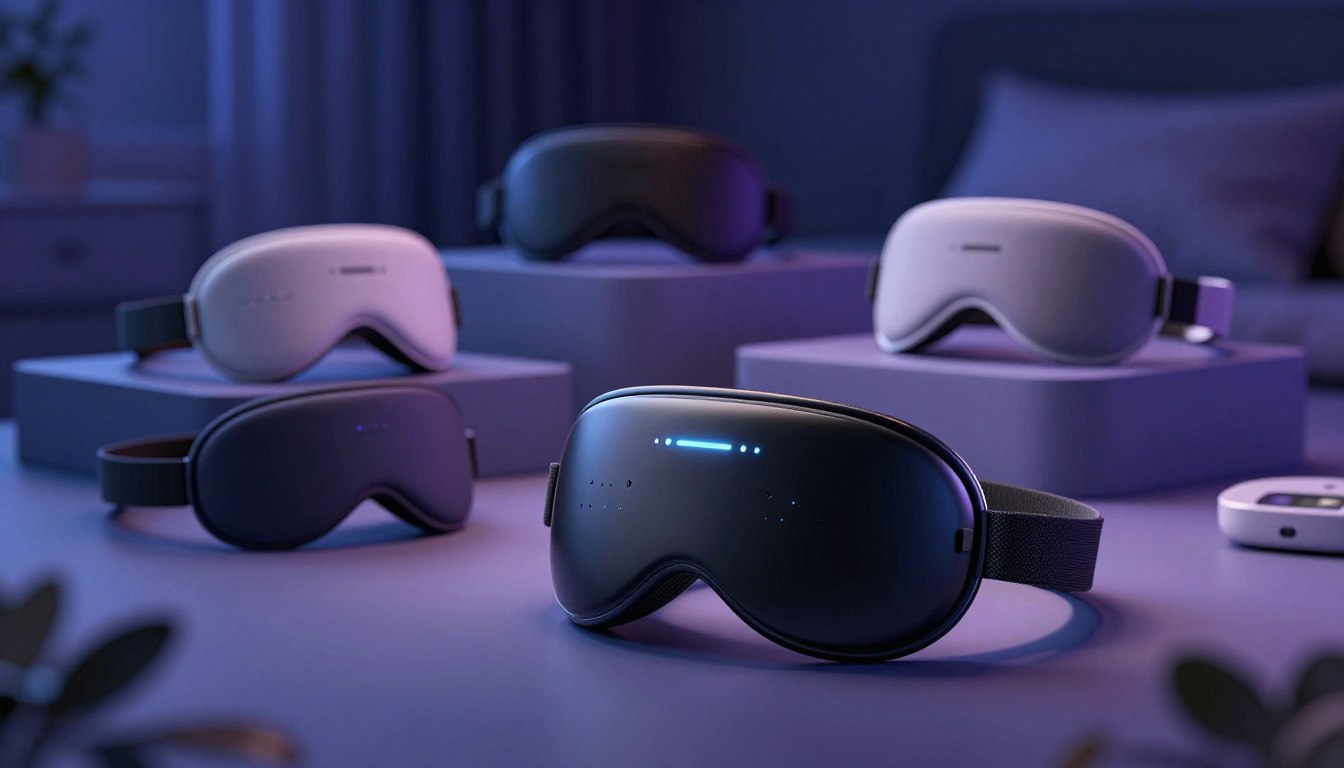
The market now offers a fascinating array of tools designed to help people achieve this unique state of mind. These gadgets range from simple, affordable sleep masks to sophisticated headbands packed with sensors. They aim to make the journey into conscious awareness more accessible and reliable for everyone.
This comprehensive lucid dreaming device review explores the full spectrum of available technology. It covers everything from basic entry-level options to advanced units with EEG monitors. The goal is to provide a clear, technical understanding of how these tools work with our natural sleep cycles.
Understanding the technology requires a peek into sleep architecture. Most vivid dreams, and the best chances for a lucid dream, occur during REM sleep. Modern masks and headbands detect this stage using various methods. They then deliver gentle cues, like light or sound, to prompt awareness without fully waking the user.
This article will categorize these innovative products by price, technical capability, and user-reported effectiveness. It helps readers identify which device best suits their experience level, budget, and personal goals for dream exploration.
Key Takeaways
- The market for technology aiding conscious awareness during sleep is rapidly expanding.
- Products vary widely, from simple masks to advanced headbands with brainwave sensors.
- These tools work by detecting REM sleep and providing subtle sensory cues.
- Effectiveness often depends on combining the technology with consistent practice.
- This guide helps you navigate the options based on your budget and experience.
- No product guarantees success, but the right tool can significantly increase your chances.
Introduction to Lucid Dreaming and Innovative Devices
The brain’s ability to achieve conscious awareness during sleep represents one of neuroscience’s most fascinating frontiers. This phenomenon occurs when the prefrontal cortex, the area linked to self-awareness, becomes more active.
This heightened activity happens while the mind remains in the vivid, story-generating state of REM sleep. It creates a unique hybrid consciousness where one can recognize the dream world and potentially influence it.
Understanding Lucid Dreaming
From a neurological standpoint, this experience is a clear shift in brain function. During a typical dream, metacognitive awareness is low. In a conscious dream, however, that critical faculty engages.
The dreamer gains a level of cognitive control. They can make intentional decisions within the narrative. This differs greatly from passively experiencing a regular dream.
The Evolution of Sleep Masks and Headbands
Early aids were simple blackout masks designed only for darkness. Their purpose was to improve sleep quality by blocking light, not to induce specific dream states.
The field transformed with the introduction of biosensors. Pioneers like Dr. Stephen LaBerge developed tools that could detect REM cycles. This allowed for precisely timed cues to prompt awareness.
Today’s advanced units are a technological leap. They incorporate EEG monitors, microprocessors, and smart algorithms. These systems analyze sleep architecture in real-time to optimize the chances of achieving a conscious dream.
What is a Lucid Dreaming Device?
Today’s sleep accessories go beyond simple comfort, incorporating sophisticated sensors to interact with the dreaming mind. These specialized tools represent a fusion of sleep science and wearable technology.
Core Features and Technology
The fundamental technology relies on biosensors that monitor physiological markers. Advanced units track rapid eye movements using infrared sensors near the eyes.
Some models include EEG electrodes to monitor brainwave patterns. This allows for precise detection of REM phases when vivid dreams occur.
| Sensor Type | Function | Detection Method |
|---|---|---|
| Infrared Sensors | Track eye movements | Detects REM sleep patterns |
| EEG Electrodes | Monitor brainwaves | Identifies dream states |
| Accelerometers | Sense body position | Determines sleep stages |
How Devices Trigger Lucidity During REM Sleep
When the system detects REM sleep, it delivers subtle cues through light, sound, or vibration. These stimuli are carefully calibrated to penetrate dream consciousness without causing awakening.
The technology operates on the principle of reality testing. Unusual sensory input within a dream can alert the mind to question its state. With practice, users learn to recognize these cues as signals of the dream state.
Criteria for Ranking Lucid Dreaming Devices
The effectiveness of sleep-enhancing gadgets depends on a careful balance of technological sophistication and user-friendly design. Our ranking system evaluates multiple factors to help users find the right tool for their needs.
Each product undergoes thorough testing across several key categories. The goal is to identify which options deliver the most reliable performance while maintaining comfort throughout the night.
Technical Specifications and Sensor Technology
Sensor accuracy forms the foundation of any effective sleep tool. Products must correctly identify REM cycles to deliver well-timed cues. Advanced units use different sensor technologies with varying precision levels.
Latency measurements determine how quickly a system responds to detected sleep stages. Faster response times increase the likelihood of successful cue integration. False positive rates also impact overall reliability.
| Sensor Type | Detection Accuracy | Response Time |
|---|---|---|
| Infrared Eye Tracking | High for REM detection | Under 30 seconds |
| EEG Brainwave Monitoring | Very high precision | 15-20 seconds |
| Motion Sensors | Moderate reliability | Varies significantly |
User Comfort and Customization Options
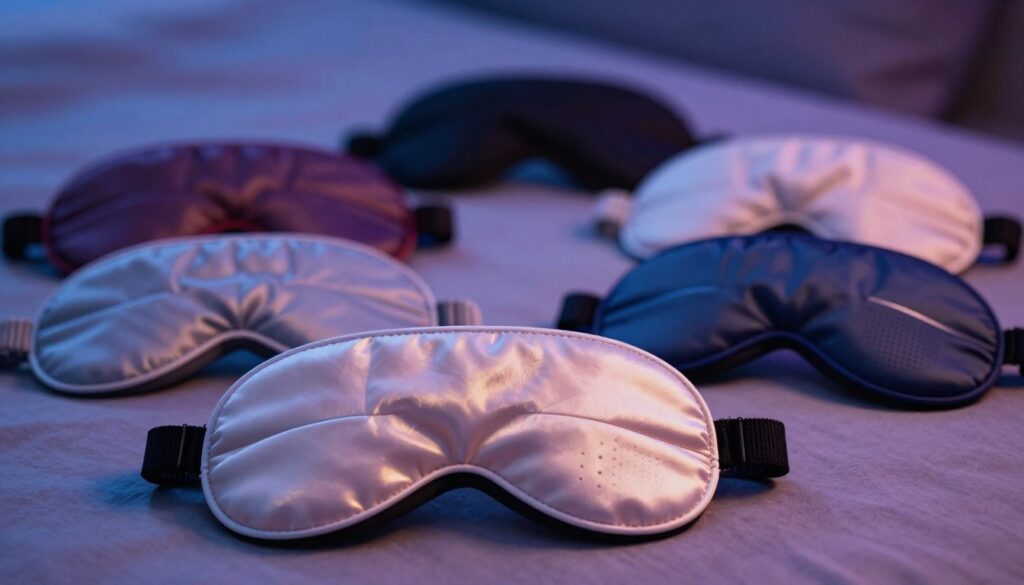
Comfort during extended wear is essential for consistent use. Lightweight materials and ergonomic designs prevent sleep disruption. Breathable fabrics and adjustable straps accommodate different sleeping positions.
Customization features allow users to personalize their experience. Adjustable cue intensity, timing parameters, and multiple stimulus options enhance effectiveness. These settings help match individual sensitivity levels.
Build quality ensures long-term durability despite nightly use. Washable components and robust construction maintain device performance. Companion apps with detailed analytics provide valuable sleep insights.
Overview of Budget-Friendly Sleep Masks
Budget-conscious options in the sleep enhancement market deliver core functionality at approachable price points. These affordable tools make conscious dream exploration accessible to beginners.
Affordability without Compromising Quality
Economical sleep accessories typically range from $15 to $100. The Mindfold Relaxation Sleep Mask represents the basic end at just $15. It provides excellent light blocking with comfortable eye cavities.
More advanced budget options like the Remee Dreamer cost around $95. This popular product features six red LED lights embedded in breathable fabric. The lights flash in customizable patterns throughout the night.
These affordable masks make strategic technical compromises. Most lack sophisticated REM detection sensors found in premium models. Instead, they use pre-programmed timing schedules.
| Budget Mask Model | Price Range | Key Features | Technology Used |
|---|---|---|---|
| Mindfold Relaxation Mask | $15 | Light blocking, eye cavities | No electronic components |
| Remee Dreamer | $95 | 6 LED lights, customizable patterns | Timed light sequences |
| Basic Budget Masks | $15-$100 | Comfort features, light cues | Pre-programmed schedules |
Construction focuses on simplicity and reliability. Most use coin cell batteries that last for weeks. Basic LED technology ensures energy efficiency without heat generation.
Quality budget masks maintain essential comfort features. They include contoured eye cavities and breathable materials. Adjustable straps accommodate different head sizes for comfortable sleep.
Customization options are limited but present. Users can typically adjust light brightness and flash frequency. Web-based interfaces allow personalized settings without waking the user.
The value proposition is clear. These products provide core visual cue functionality at accessible prices. They’re ideal for beginners exploring device-assisted techniques.
High-Tech Lucid Dreaming Headbands and Advanced Devices
At the premium end of the sleep technology spectrum, sophisticated headbands bring laboratory-grade monitoring to the bedroom. These advanced systems represent the cutting edge of home sleep technology.
Integration of EEG and REM Monitoring
Premium headbands use multiple forehead electrodes to detect brainwave patterns. They sample data at rates exceeding 250Hz for precise analysis.
Advanced filtering removes muscle and eye movement artifacts. This creates clean signals for accurate sleep stage classification.
| Device Model | EEG Electrodes | Sampling Rate | REM Detection Method |
|---|---|---|---|
| Sleep Shepherd Blue | 3 forehead sensors | 250Hz | Real-time brainwave analysis |
| iBand+ | Multi-point array | 256Hz | EEG with audio-visual cues |
| Neuroon | Full forehead coverage | High precision | Multi-sensor integration |
These systems identify REM sleep through characteristic brainwave patterns. They detect the low-amplitude, mixed-frequency activity unique to this stage.
The technology minimizes false detections by analyzing complete physiological signatures. This includes muscle tone changes and eye movement patterns.
Deep Dive Into Device Features and Customization
Customization features have become the cornerstone of effective sleep enhancement equipment. Modern systems offer extensive personalization options that adapt to individual preferences and sleep patterns.
Adjustable Lighting and Audio Cues
Lighting systems provide precise control over visual stimulation. LED brightness typically ranges from 50-500 millicandelas, with wavelength options including red (620-750nm), green, or blue light. Flash patterns offer millisecond-level precision for optimal timing.
Audio systems deliver alternative cues with adjustable volume and tone selection. The REM Dreamer Pro features voice recording capabilities, allowing personalized messages. This creates familiar sound reminders that gently prompt awareness.
Smart App Integrations and Data Feedback
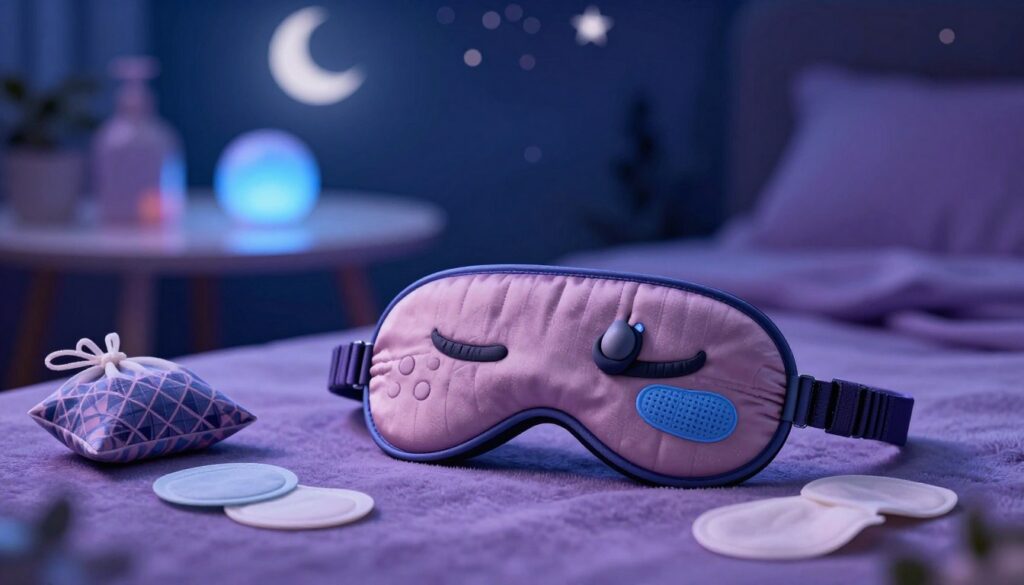
Companion app connectivity transforms basic masks into comprehensive sleep management systems. Bluetooth integration enables real-time adjustments and firmware updates.
These applications provide detailed analytics showing sleep architecture, REM period timing, and cue delivery times. Users can set active windows and sensitivity thresholds for personalized experiences.
The data feedback helps optimize settings over time, creating a tailored approach to sleep enhancement. This level of customization ensures each session aligns with individual needs and preferences.
Comparative Lucid Dreaming Device Review
The marketplace for sleep-enhancing tools presents a wide spectrum of choices. Each product offers distinct technical capabilities and price points that cater to different user needs.
This analysis examines over a dozen options across multiple technical dimensions. It helps potential buyers identify which tool best matches their specific requirements.
Side-by-Side Comparison of Top Models
Budget options like the Mindfold ($15) and Remee Dreamer ($95) represent entry-level choices. The Mindfold offers passive light blocking without electronics.
The Remee provides basic LED light cues on timed schedules. It lacks adaptive REM detection but suits beginners experimenting with light-based triggers.
Mid-tier products introduce more sophisticated features. The REM Dreamer Pro ($170) adds audio cues with voice recording capability.
Premium units incorporate medical-grade EEG sensors for accurate sleep stage identification. These represent a significant technological leap over simpler approaches.
The comparison reveals a clear trade-off between detection accuracy and cost. Timed-pattern tools deliver cues based on average sleep cycles.
Eye-movement products detect REM through physical indicators. EEG systems analyze actual brain activity for the most precise identification.
Comfort and wearability vary significantly across different designs. Traditional mask styles fully cover the eyes but may cause pressure points.
Headband designs leave eyes uncovered but require precise sensor positioning. Minimal designs attempt to balance coverage with comfort.
User effectiveness shows high variability across all products. Success rates correlate more with experience level than with tool sophistication.
Proper technique remains essential for achieving consistent results. Reality checks and dream journaling complement any technological assistance.
Detailed Analysis of Notable Devices
Examining specific models reveals how engineering choices impact user experience and effectiveness. Two popular options showcase different approaches to achieving conscious awareness during sleep.
Remee Dreamer – Classic Model
The Remee Dreamer represents an accessible entry point into sleep technology. This comfortable mask features six red LED lights embedded in breathable fabric.
Each LED produces 100-200 millicandelas of gentle light that penetrates closed eyelids. A flexible circuit board contours to facial shapes for all-night comfort.
The system uses a CR2032 battery lasting 3-6 months. Users customize patterns via web tools, setting delays to target late-night REM periods.
REM Dreamer Pro – Premium Features
This advanced lucid dreaming mask incorporates infrared sensors for REM detection. It triggers cues only during active dream states.
The Pro model adds audio functionality with adjustable volume. Users can record personal messages that play during sleep.
Both masks prioritize comfort with hypoallergenic materials and eye cavities. The Dreamer Pro weighs 75 grams with audio components included.
Technical Considerations Behind the Devices
Modern sleep tools rely on complex algorithms that analyze physiological signals to pinpoint optimal timing for interventions. The technical foundation lies in accurately detecting REM cycles without disturbing natural sleep patterns.
Sensor Accuracy and REM Sleep Detection
Infrared detection systems use LED emitters at 850-940nm wavelengths. These invisible lights track rapid eye movements through photodetectors.
Signal processing algorithms analyze movement frequency and amplitude. They distinguish true REM patterns from other eye activity.
EEG-based systems employ dry electrode sensors on the forehead. These detect microvolt-level electrical potentials from brain activity.
| Detection Method | Technical Parameters | Accuracy Range |
|---|---|---|
| Infrared Eye Tracking | 2-4 movements/second threshold | 70-80% REM detection |
| EEG Brainwave Analysis | 128-256Hz sampling rate | 75-85% sleep stage accuracy |
| Combined Sensor Systems | Multi-parameter analysis | 85-90% overall precision |
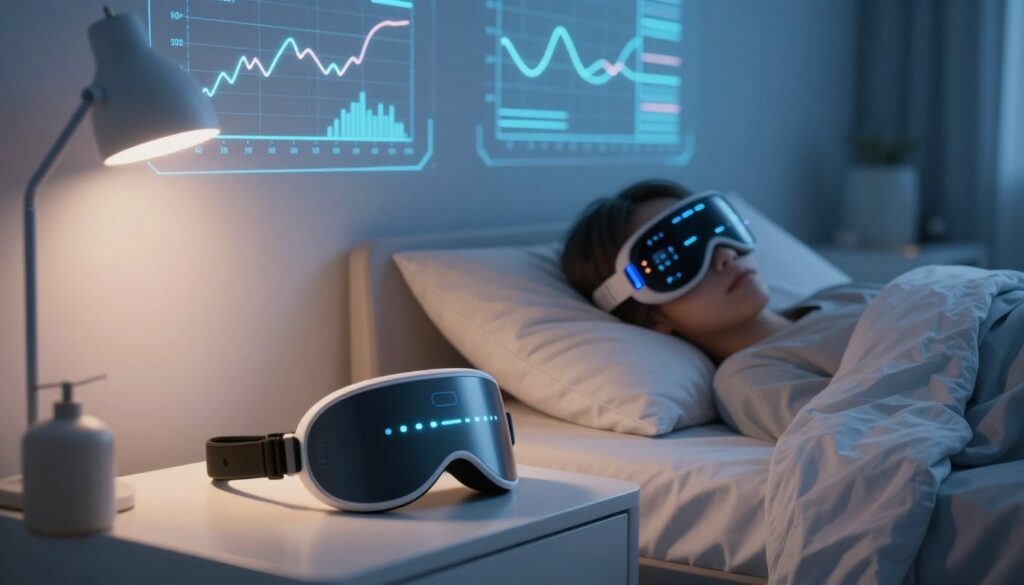
Timing precision is critical for effective cue delivery. Most systems implement 2-5 minute delays after REM detection begins.
False positive rates below 10% indicate reliable performance. Better systems achieve detection sensitivity above 80% across diverse users.
Benefits and Limitations of Using Lucid Dreaming Devices
Every technological innovation brings trade-offs, and tools for conscious awareness during sleep are no exception. Understanding both sides helps people make smart choices about their sleep journey.
Pros: Enhanced Lucidity and Improved Sleep Quality
These tools offer external cues that help people become lucid more reliably. Beginners often see their first lucid dream within weeks of consistent use.
The experience can transform from occasional to regular occurrences. Many users report going from one lucid dream per month to several each week.
| Benefit Type | Effectiveness Range | Time to Results |
|---|---|---|
| Enhanced Lucidity | 70-85% user success | 2-4 weeks |
| Sleep Quality Tracking | Comprehensive data | Immediate feedback |
| Dream Recall Improvement | Significant boost | 1-2 weeks |
Cons: Cost, Disruption Potential, and User Variability
Price remains a barrier for many people. Quality equipment ranges from $95 to $300, with no guaranteed results.
Sleep disruption is a real concern. Cues set too strong can wake users instead of prompting lucidity. This defeats the purpose and ruins rest.
Individual differences matter greatly. People with poor dream recall or deep sleep patterns may struggle to notice cues. The same tool works differently for everyone.
Success depends on combining technology with proper techniques. Those who practice reality checks during waking hours achieve better results. The right balance makes all the difference.
User Experiences and Expert Insights
Real-world experiences with sleep technology reveal fascinating patterns of success and challenge. Customer feedback shows that individual results vary widely based on personal sleep habits and consistency.
Testimonials and Case Studies
Many people report their first conscious dream within weeks of consistent use. One user achieved success by combining a sleep mask with the Wake-Back-to-Bed method.
This person set an alarm for 4.5 hours after sleep onset. After staying awake for 20 minutes reviewing dream goals, they returned to sleep with the equipment activated.
This approach yielded conscious dreams 3-4 times weekly. The combination of technology and proven techniques created optimal conditions.
Experts emphasize that these tools work best as training wheels rather than magic solutions. They recommend establishing basic practices first.
Successful users typically maintain detailed dream journals and perform daily reality checks. These complementary methods strengthen mental awareness.
Professional instructors note that exclusive reliance on technology often leads to plateaus. The brain may habituate to cues without ongoing awareness practice.
Individual differences in sensory processing during sleep also affect outcomes. Some minds naturally incorporate external stimuli into dream narratives.
Others maintain stronger sensory gating that limits cue penetration. This explains why the same approach produces different results.
The most valuable benefit reported involves enhanced dream awareness overall. Users experience richer, more vivid dreams even without full lucidity.
Conclusion
Achieving awareness within dreams has evolved from purely mental techniques to sophisticated wearable technology. Today’s tools range from basic light-based masks to advanced EEG headbands that detect REM cycles.
The right choice depends on experience and budget. Beginners might start with affordable options, while serious enthusiasts benefit from premium systems with accurate sleep stage detection.
Realistic expectations are crucial. Even advanced equipment increases frequency rather than guaranteeing results. Most users see improvement within 4-8 weeks of consistent practice.
Success comes from combining technology with proper sleep habits and mental training. Regular reality checks and dream journaling develop the natural ability to recognize the dream state.
These innovative tools serve as valuable aids rather than magic solutions. They support a journey that fundamentally depends on developing one’s own mind.